How to Switch Your Cat to Green Litter (Without Drama)
Making the switch to green litter doesn't have to turn into a battle with your cat. This guide is for cat owners who want to make an eco-friendly change without dealing with litter box boycotts or stressed-out pets.
Your cat's comfort matters just as much as your environmental goals. Most cats will accept new litter when you introduce it the right way, but rushing the process often backfires with accidents outside the box and frustrated felines.
We'll walk you through the gradual mixing method that works for even the pickiest cats, plus how to handle common problems like your cat avoiding the box or tracking more than usual. You'll also learn why green litter benefits both your cat's health and the planet, making this switch worth the effort.
Understanding Green Litter Benefits for Your Cat's Health and Environment
Eliminate harmful chemicals and toxins from your cat's daily routine
Traditional clay litters contain crystalline silica dust, sodium bentonite, and chemical fragrances that your cat inhales and absorbs through their paw pads daily. Green litters made from corn, wheat, pine, or recycled paper eliminate these concerns completely. Your cat spends hours each day in direct contact with their litter, grooming their paws and breathing the air around the litter box. Switching to natural alternatives removes exposure to carcinogenic dust particles and synthetic additives that can accumulate in your pet's system over time.
Chemical-free litters also protect your family from tracking harmful substances throughout your home. Every step your cat takes from the litter box carries microscopic particles that settle on furniture, carpets, and surfaces where children and other pets spend time.
Reduce respiratory issues and allergic reactions in sensitive cats
Cats with asthma, allergies, or respiratory sensitivities show remarkable improvement when switched to dust-free, natural litters. The fine particles in clay litters trigger coughing fits, watery eyes, and breathing difficulties in susceptible cats. Pine and corn-based litters produce virtually no airborne dust, creating a cleaner breathing environment.
Many cats develop contact dermatitis from prolonged exposure to fragranced or chemically treated litters. Natural options eliminate skin irritation between the toes and on sensitive paw pads. Senior cats and kittens benefit most from this switch, as their immune systems handle environmental toxins less effectively than healthy adult cats.
Support sustainable living with biodegradable materials
Eco-friendly litters break down naturally in composting systems or landfills, unlike clay litters that persist for decades. Most green alternatives come from renewable agricultural byproducts like corn husks, wheat stalks, or sustainably harvested wood chips. This reduces demand for strip-mining operations that extract clay materials, protecting natural habitats and groundwater systems.
Biodegradable litters can be safely flushed in small quantities (check local regulations) or added to non-food compost bins. This dramatically reduces household waste compared to sending clay litter to landfills where it creates permanent environmental burdens.
Save money with longer-lasting natural alternatives
Quality natural litters often outperform clay options in odor control and absorption capacity. Corn and wheat-based formulas clump tightly, allowing you to remove only soiled sections while leaving clean litter undisturbed. This efficiency means bags last 20-30% longer than traditional options, offsetting the slightly higher upfront cost.
Pine pellets expand when wet, then break down into sawdust that can be sifted out, leaving dry pellets for continued use. This process extends the useful life of each bag significantly. Many cat owners find they purchase litter less frequently after switching, creating substantial annual savings while supporting their cat's health.
Troubleshooting Common Resistance Issues During the Switch
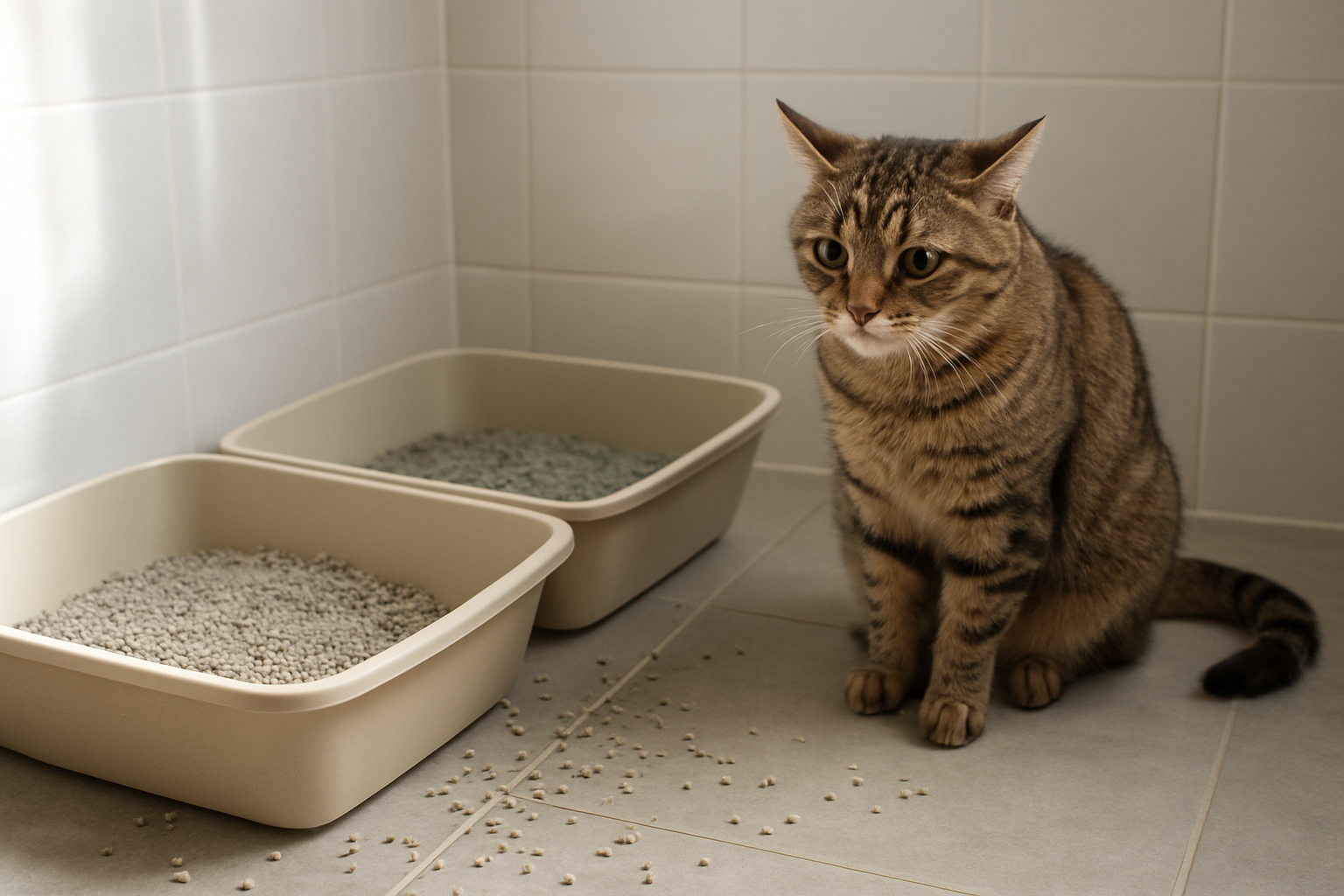
Address litter box avoidance with strategic placement adjustments
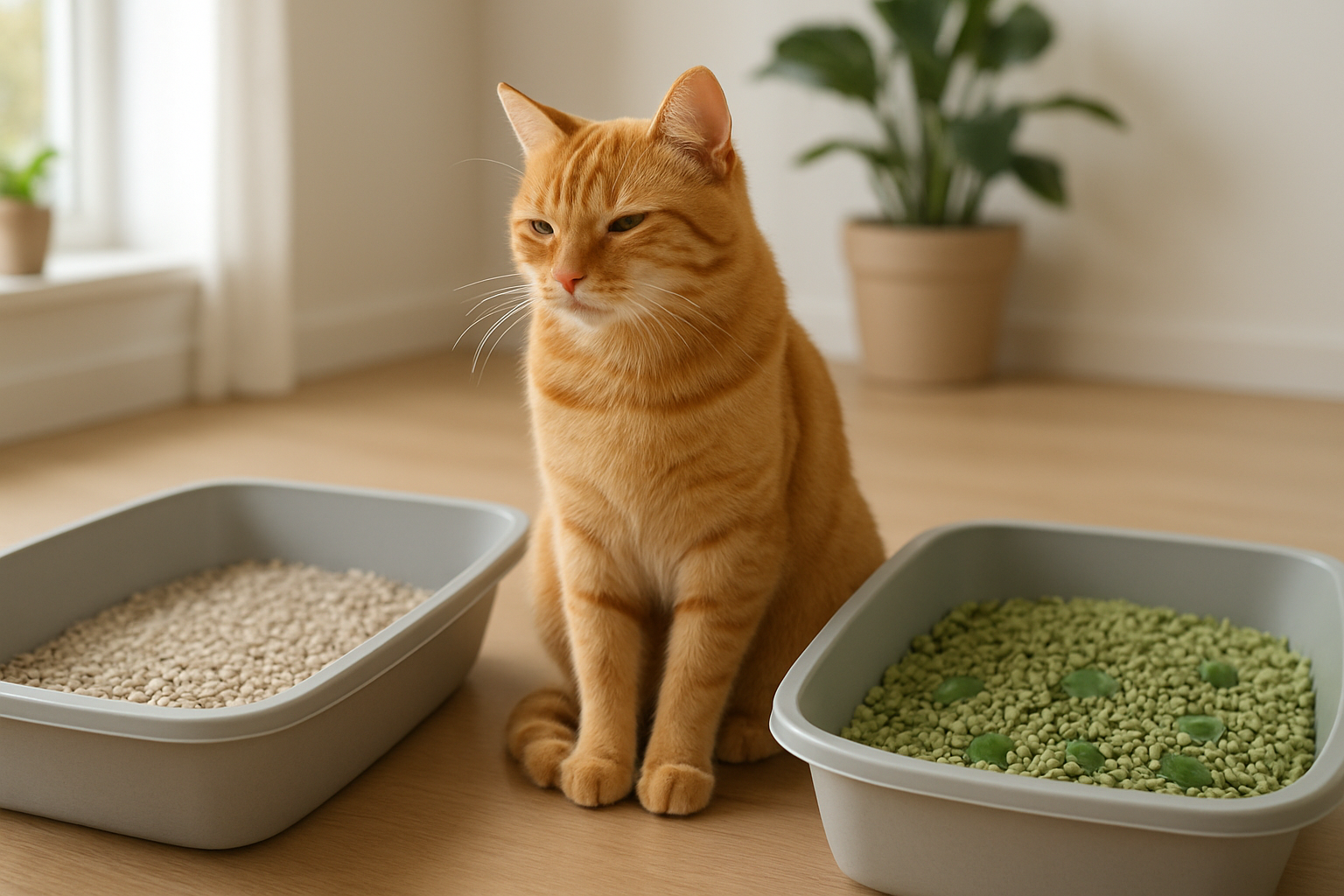
When your cat starts avoiding the litter box during the transition, location becomes your biggest ally. Cats are creatures of habit, and changing their litter can feel like rearranging their entire world. Start by adding a second litter box with the new green litter while keeping the original box with familiar litter nearby. This gives your cat choices and reduces anxiety.
Place the new box in a quiet, easily accessible spot away from high-traffic areas. Avoid corners near washing machines, furnaces, or other noisy appliances that might create negative associations. Cats prefer locations where they can see potential escape routes, so position boxes where your cat won't feel trapped.
Distance matters too. If you only have one box location, gradually move the original box a few inches each day while introducing the green litter mix. This prevents your cat from associating the location change with the new litter. Keep boxes at least three feet apart if you're running two simultaneously - cats don't like feeling crowded while doing their business.
Monitor your cat's behavior closely during this period. If they're still avoiding the new setup after a week, try switching the positions of the boxes. Sometimes cats develop preferences for specific spots that have nothing to do with the litter itself.
Solve texture preference problems with alternative green options
Texture sensitivity ranks as the top reason cats reject new litter. Your cat's paws are incredibly sensitive, and what feels normal to you might feel like walking on gravel to them. Different green litters offer vastly different textures, so finding the right match becomes a process of elimination.
Clay-loving cats often prefer green litters with fine granules, such as corn-based options that mimic the familiar clay texture. Wood pellet users should try compressed grass or wheat litters that break down into softer particles when wet. For cats accustomed to crystal litter, corn or walnut shell litters provide similar absorbency without the harsh chemical components.
Start your texture transition by mixing small amounts of the new green litter with the current favorite. Begin with a 75/25 ratio (75% familiar, 25% green) and gradually shift the balance over two to three weeks. This slow introduction helps your cat adjust to the new feel without shocking their sensitive paws.
Test multiple green options if the first choice fails. Keep samples of different textures available - some pet stores offer small bags or samples specifically for testing. Paper-based litters work well for cats with very sensitive paws, while coconut coir appeals to cats who prefer softer, more natural textures.
Handle scent sensitivity by choosing unscented varieties
Cats possess scent receptors 14 times stronger than humans, making fragrance overwhelming even when we can barely detect it. Many green litters come naturally scented from their base materials, which can trigger rejection just as quickly as artificial fragrances.
Unscented green options include plain wheat, corn, and recycled paper litters. These materials offer excellent odor control through absorption rather than masking scents with additives. Pine litters naturally contain mild aromatics, but these tend to be more acceptable to cats than artificial perfumes.
Watch for subtle scent reactions that might go unnoticed. If your cat approaches the box, sniffs, and walks away repeatedly, scent sensitivity is likely the culprit. They might also scratch around the box without actually using it, indicating interest in the location but rejection of the contents.
Create a scent-neutral environment by thoroughly cleaning the litter box with unscented soap before introducing green litter. Residual fragrances from previous cleaners can compound scent issues and make the transition even more challenging.
Some cats need an adjustment period even with unscented options. Natural materials like hemp or grass can smell different from artificial clay, even without added fragrances. Give your cat time to adapt while monitoring their acceptance levels.
Manage tracking issues with proper litter depth
Green litters often have different tracking characteristics than conventional options, and getting the depth right prevents scattered litter throughout your home. Most green litters work best at 2-3 inches deep, but this varies significantly by material type.
Lighter materials like paper or coconut require deeper layers (3-4 inches) for proper absorption and clumping. Heavier options like walnut shells or corn work effectively at shallower depths (1.5-2 inches). Too much depth with heavy litters creates digging difficulties, while too little depth with light materials reduces effectiveness.
Track-resistant techniques include placing mats both inside and outside the litter box area. Washable rubber mats with raised textures catch particles before they spread throughout your home. Some cats benefit from covered boxes during the transition, as the roof helps contain scattered litter while they adjust to the new material.
Monitor your cat's digging behavior during the switch. Excessive scratching or digging might indicate improper depth rather than material rejection. Cats typically dig shallow holes, cover waste lightly, and exit quickly when they're comfortable with the setup.
Consider the box size when determining proper depth. Larger boxes allow for varied depths in different areas, giving your cat options for their preferred digging and covering behaviors while maintaining proper absorption throughout the space.
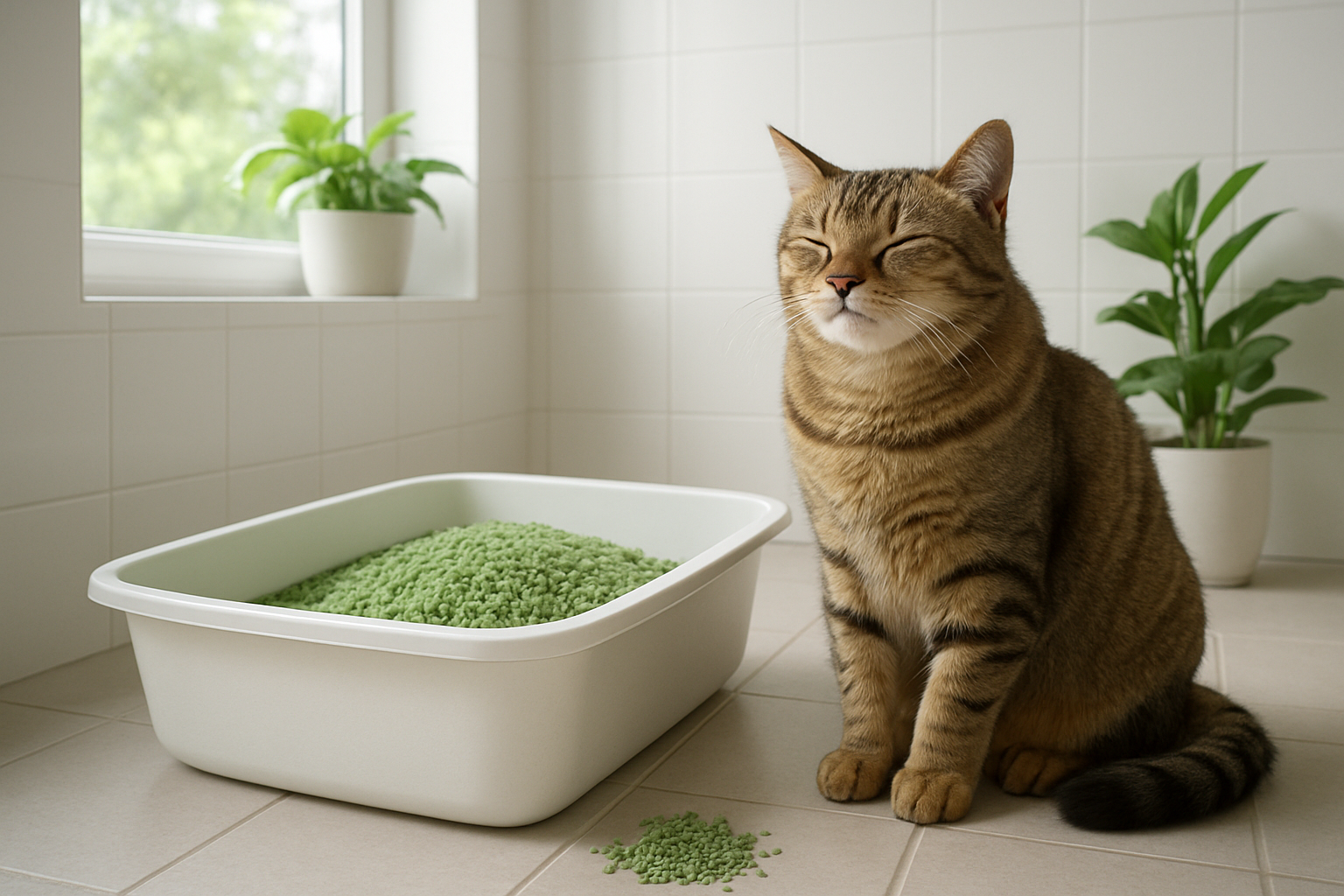
Making the switch to green litter doesn't have to turn into a daily battle with your furry friend. The key lies in taking your time with the gradual mixing approach and staying patient when your cat shows resistance. Remember that cats are creatures of habit, so any change in their bathroom routine needs to happen slowly and carefully. By starting with small amounts of the new litter mixed into their familiar brand, you're giving them the chance to adjust without feeling stressed or confused.
Your cat's health and the planet's wellbeing are both worth this effort. Once you've successfully made the transition, stick with consistent maintenance routines to keep your cat happy with their new eco-friendly setup. If you hit bumps along the way, don't give up – most resistance issues can be solved with a bit of troubleshooting and extra patience. Start your green litter journey today by picking up a small bag of eco-friendly litter and beginning the mixing process with just 10% of the new product.