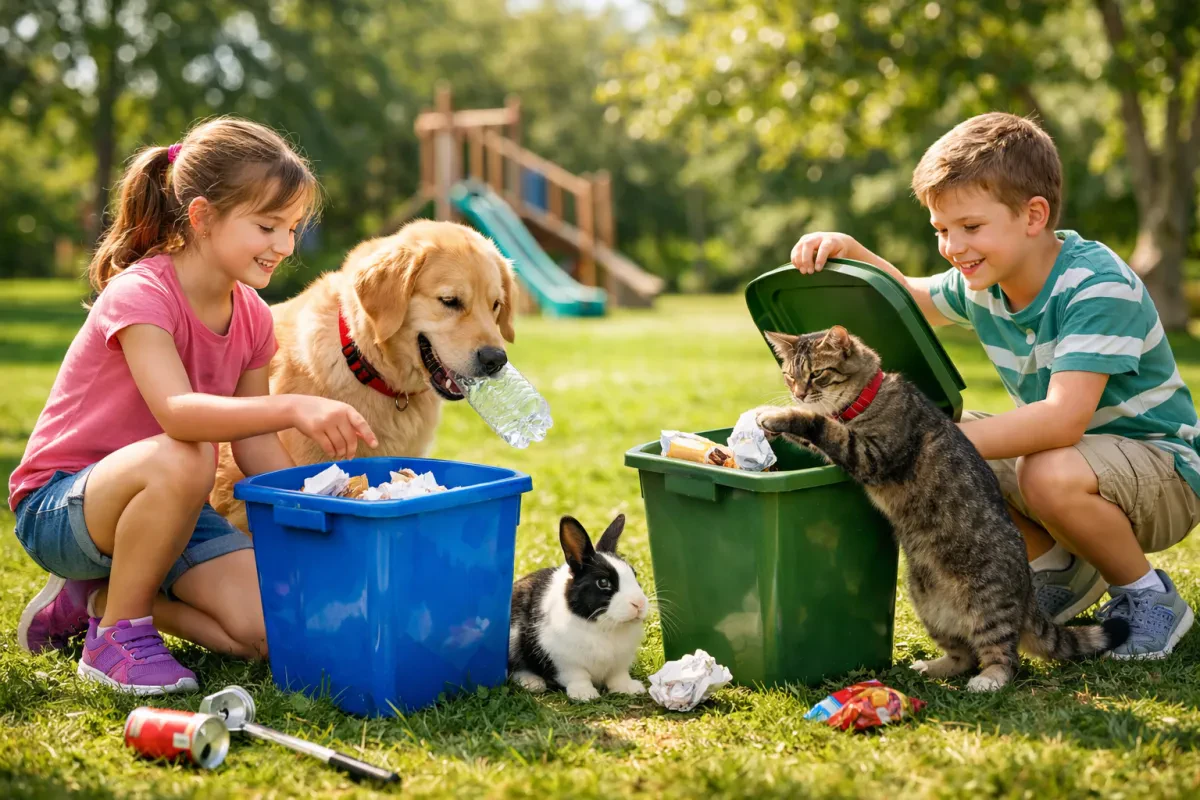
Turn the training into a game! Create a chart where kids can track their pet’s progress. Every time the pet uses the litter box correctly, give a sticker or a little reward. Kids love to see that they’re making a difference. Plus, it teaches them responsibility in a fun way. You can even set up a little ceremony for when the pet hits certain milestones, like using the litter box for the first time.
Make sure to involve kids in the preparation. Let them pick out the litter and decorate the litter box. They might enjoy choosing fun colors or characters that make the box feel like a special place for their pet. Allowing kids to have a say helps them feel ownership over the process, which is crucial for successful kids and pets litter training.
Finally, keep things lighthearted. Use humor and positive reinforcement to celebrate small successes along the way. When kids see their efforts pay off, it boosts their confidence and creates a bond with their pets. With a little creativity and encouragement, you can turn litter training into a fun adventure for everyone!
Making Litter Training Fun for Pets
Litter training can be a fun adventure for both kids and pets! Kids love to take part in activities that involve their furry friends, and this process is a great way to bond. By getting them involved, you can create a positive experience that encourages responsibility and strengthens the connection between your children and their pets.
To kick things off, turn litter training into a game. Create a chart where kids can track their progress with the pet. Every time the pet uses the litter box, let the kids check it off and maybe even reward them with stickers. This not only makes it exciting but also teaches kids the importance of consistency and reward systems. Who doesn’t love a little fun and motivation?
Show kids how to carefully supervise the process. Explain what signs to look for when the pet needs to go, like sniffing around or pacing. Watching their pet's behavior helps kids feel more connected and responsible. They can cheer on their furry friend when they use the litter box properly, creating a positive atmosphere that encourages both kids and pets to participate.
Don’t forget the educational part! Teach the kids why litter training is important for pets. Talk about the benefits of having a clean and safe space for their furry buddies. You can even include stories about pets who learned to use the litter box successfully. Making it relatable engages kids in the learning process.
By involving kids in this journey, you set the foundation for a lifelong bond between them and their pets. The experience can be loaded with laughter, learning, and lots of cuddles—what's not to love? With a bit of creativity, kids and pets litter training can turn into a joyful experience for everyone.
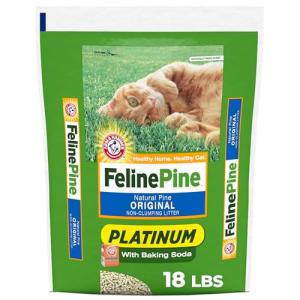
Feline Pine Platinum 18lb Cat Litter
A natural, eco-friendly litter that keeps odors in check while providing excellent absorbency
Product information
$21.90
Product Review Score
4.64 out of 5 stars
188 reviewsProduct links
Easy Tips for Teamwork in Training
Training your kids and pets to use litter properly can be a fun challenge, but teamwork makes it so much easier! Here are some easy tips to make the process smooth and enjoyable for everyone involved.
First, set clear expectations for your kids. Explain why it’s important to keep the litter area clean and how their efforts help out both the pets and the whole family. Kids love to feel like they're part of something, so giving them a specific role in kids and pets litter training can boost their enthusiasm. Let them scoop the litter or choose a special scoop to make it more exciting.
Make it a game! Turn litter cleaning into a fun activity. Set a timer and see who can clean their area the fastest or make a chart to track progress. Kids love rewards, so consider offering a little treat or sticker after they help out. This not only makes the chore more enjoyable but also reinforces good habits.
Involve your pets too! Teach them commands like "go potty" or "let’s clean up" to help your kids feel connected to the training process. This teamwork teaches both kids and pets responsibility while creating a stronger bond between them. Plus, it shows the kids the importance of caring for pets and their environment.
Finally, celebrate your successes! When the litter area is clean and everyone involved did a great job, take a moment to acknowledge the effort. This encourages kids to stay engaged in the kids and pets litter training process. Remember, teamwork isn’t just about getting the job done; it’s about making lasting memories together!

World's Best Unscented Cat Litter - 15 lb
All-natural, clumping litter made from whole-kernel corn for a clean and odor-free experience
Product information
$23.39 $19.15
Product Review Score
4.79 out of 5 stars
232 reviewsProduct links
Creating a Positive Litter Training Routine
Getting kids and pets on the same page when it comes to litter training can be a fun adventure. Start by setting a consistent schedule for litter box cleaning and potty breaks. Kids love routine, and pets thrive on it too! Make this a family job where everyone pitches in. It teaches responsibility and creates bonding moments.
Use positive reinforcement. When your pet uses the litter box correctly, celebrate it! Kids can help by giving treats or saying things like, "Good job!" This encourages not only the pet but also helps kids understand the importance of positive behavior. Creating a cheerful environment makes the whole process smoother.
Engaging kids in the process makes them more invested. Let them pick out the litter or decorate the litter box area. They’ll take ownership of the space and feel proud to be part of the kids and pets litter training journey. Plus, it’s a great opportunity for discussion about pet care responsibilities.
Keep it light and fun! Maybe turn it into a little game. For example, see who can spot the most things their pet does right while using the box. You can even create little charts to track successes. Celebrating those wins, big or small, keeps morale high and reinforces the bond between kids and pets.