The Ultimate Guide to Eco-Friendly Cat Litter Options
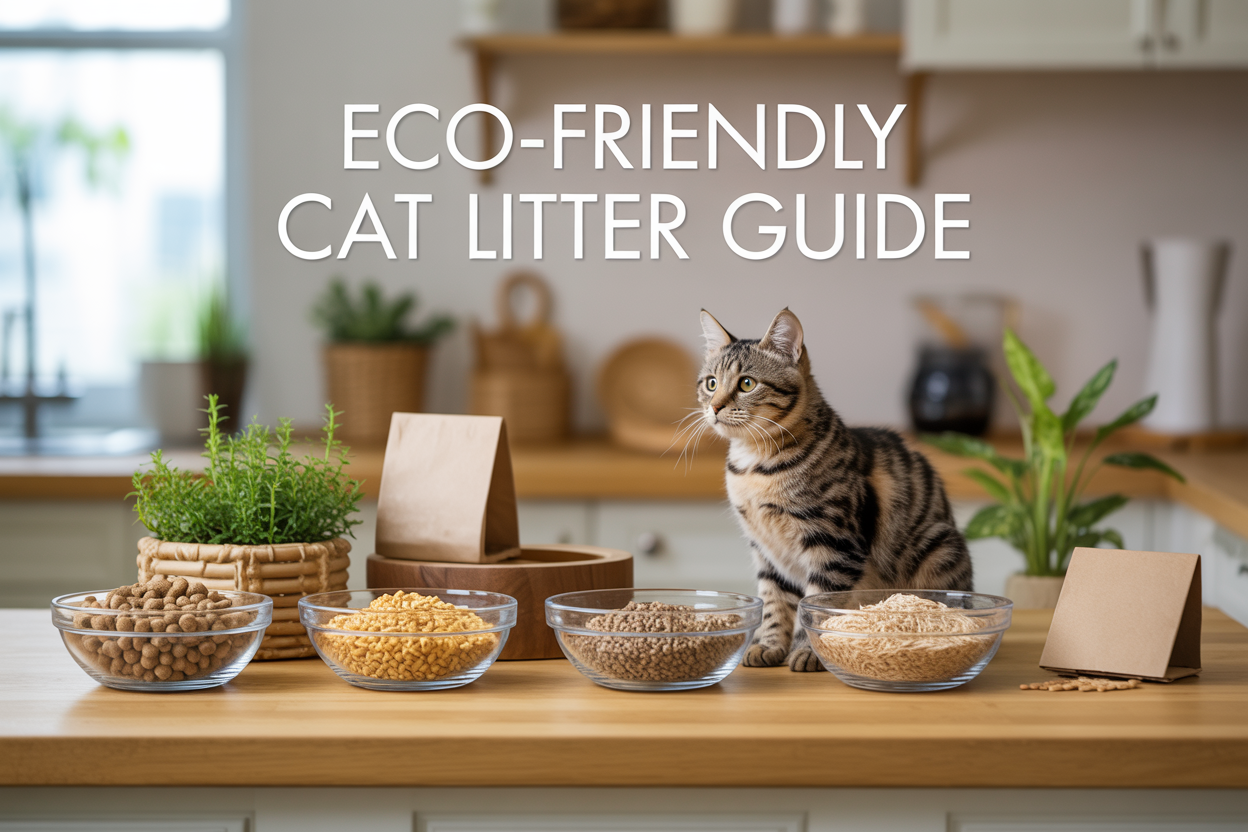
Many cat owners are discovering that their kitty's bathroom habits might be harming both their pet's health and the planet. Traditional clay and silica-based litters contribute to environmental damage through strip mining and create massive landfill waste, while potentially causing respiratory issues for cats and their families.
This guide is for eco-conscious cat parents who want to make healthier choices for their feline friends without sacrificing cleanliness or convenience. We'll help you navigate the growing world of sustainable litter alternatives and find options that work for both you and your cat.
You'll discover why conventional litters pose hidden dangers to your cat's health and the environment, plus learn about the essential features that make eco-friendly cat litter options truly effective. We'll also walk you through proven strategies for transitioning your cat to natural litter without the stress and resistance many pet owners fear.
Ready to give your cat a cleaner, greener bathroom experience? Let's explore the best sustainable solutions that keep your home fresh while protecting the planet your pet calls home.
Why Traditional Cat Litter Harms Your Cat and the Environment
Why Traditional Cat Litter Harms Your Cat and the Environment
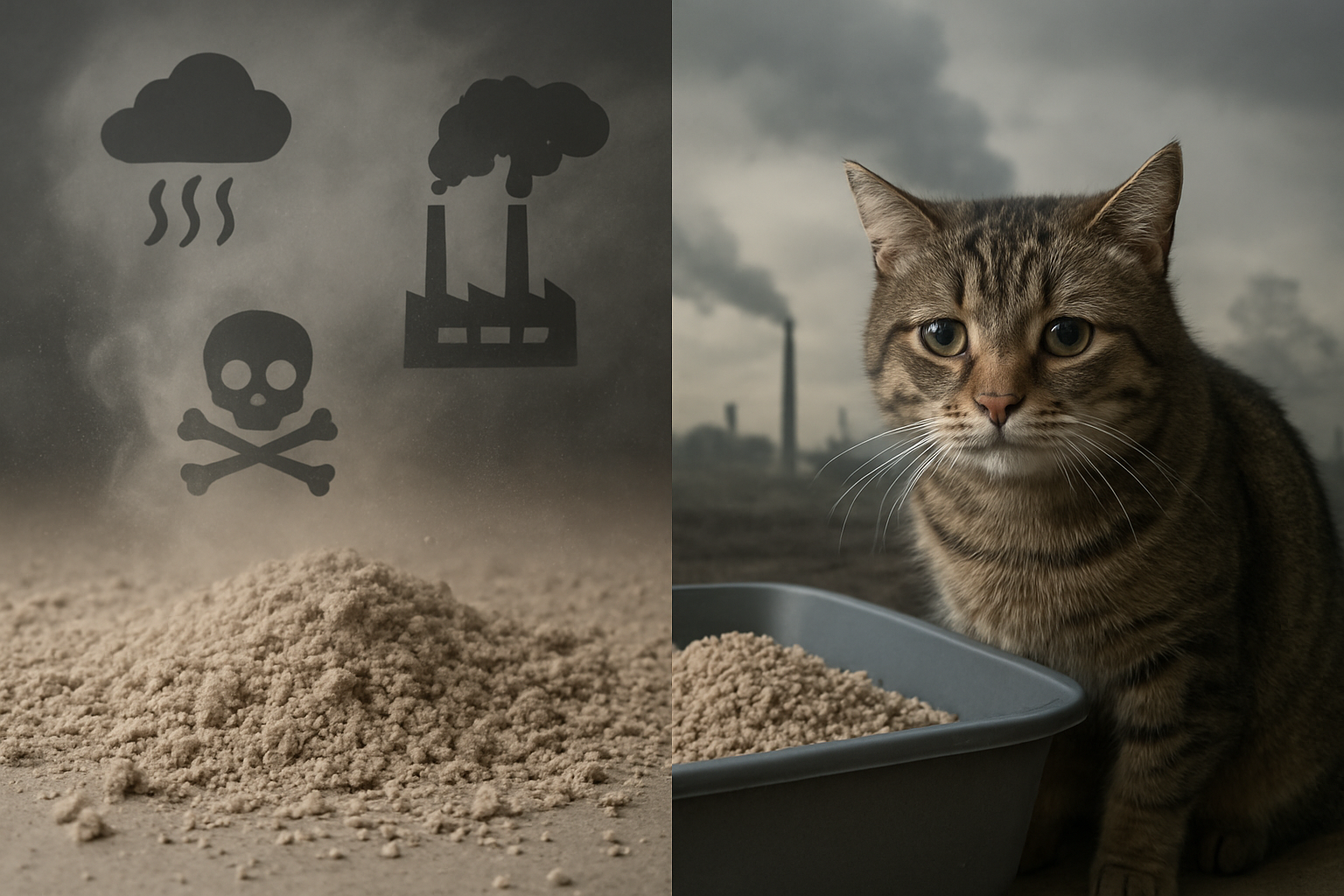
Traditional cat litter made from clay or silica poses significant risks to both your feline companion and our planet. These conventional litter options contain harmful ingredients and are produced through environmentally destructive methods that create lasting damage to ecosystems and wildlife habitats.
The production of traditional clay litter relies heavily on strip mining operations to extract sodium bentonite clay and silica. This invasive mining process systematically removes vegetation and topsoil from vast areas of land, creating irreversible damage to natural landscapes. The environmental consequences extend far beyond the immediate mining sites, causing widespread water and air pollution that affects surrounding communities and wildlife populations.
Strip mining operations contribute to severe deforestation, eliminating crucial habitats for countless species while simultaneously causing significant land erosion. These environmental impacts create a ripple effect that disrupts entire ecosystems and contributes to long-term ecological instability.
From a waste management perspective, conventional clay and silica litters present another major environmental challenge. These materials are not flushable and contribute over two million tons of waste to U.S. landfills annually. Unlike biodegradable alternatives, traditional litters do not break down easily in landfill environments, creating persistent waste that accumulates year after year.
Intestinal Blockages from Sodium Bentonite Clay Ingestion
One of the most serious health risks associated with traditional cat litter involves the ingestion of sodium bentonite clay, a common ingredient found in clumping clay litters. When cats groom themselves after using the litter box, they inevitably ingest small particles of litter that cling to their paws and fur.
Sodium bentonite clay poses a particularly dangerous threat because of its clumping properties. When this material comes into contact with moisture in your cat's digestive system, it can expand and form solid masses that are difficult for the cat's body to process naturally. These clumps can create intestinal blockages that prevent normal digestion and waste elimination.
The gastrointestinal issues resulting from sodium bentonite clay ingestion can range from mild discomfort to life-threatening conditions requiring immediate veterinary intervention. Cats experiencing intestinal blockages may exhibit symptoms such as vomiting, loss of appetite, constipation, lethargy, and abdominal pain.
Beyond intestinal blockages, ingesting sodium bentonite clay can cause various other gastrointestinal problems including inflammation of the digestive tract, irregular bowel movements, and disruption of the natural gut flora. These health complications can significantly impact your cat's overall well-being and quality of life, making the choice of litter material a critical consideration for responsible pet ownership.
Essential Features to Evaluate in Eco-Friendly Cat Litter
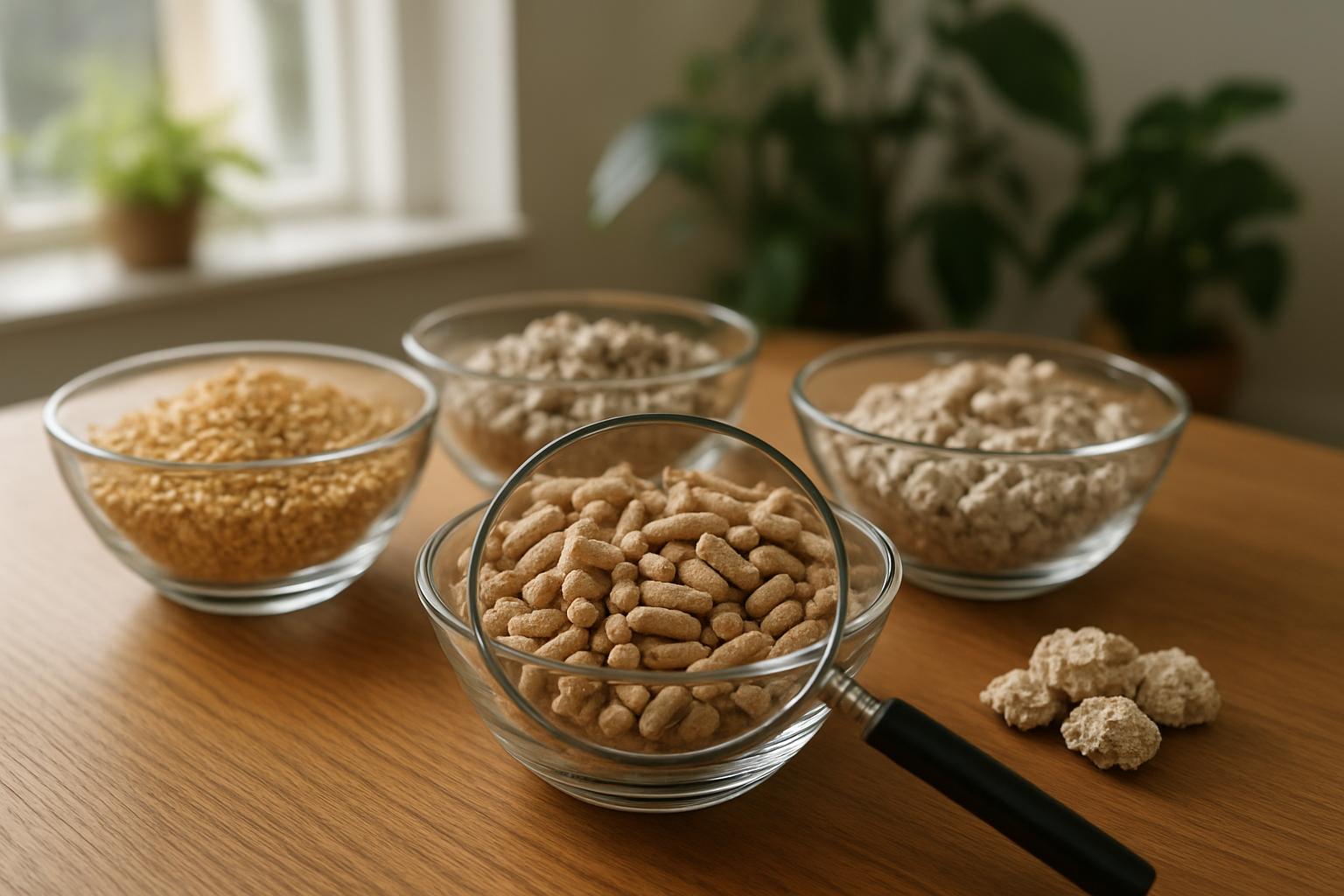
Natural Composition Free from Artificial Chemicals
When evaluating eco-friendly cat litter options, the natural composition stands as one of the most critical factors to consider. Biodegradable litter crafted from organic materials like wood or wheat offers significant advantages over conventional alternatives, as these materials return to nature with minimal processing requirements. This natural approach eliminates the need for extensive chemical treatments that can harm both your cat and the environment.
The absence of artificial additives represents a major health benefit for your feline companion. Traditional litters often contain artificial dyes, synthetic fragrances, and various man-made chemicals that can trigger respiratory issues or skin sensitivities in cats. Natural litters eliminate these concerns by maintaining their original, unprocessed state, creating a safer environment for your pet's daily use.
Beyond wood and wheat-based options, recycled paper litter presents another compelling natural alternative. This option demonstrates remarkable performance characteristics, offering up to three times more absorbent capacity than traditional clay-based litters. The superior absorption comes from the paper's natural fiber structure, which efficiently traps moisture while maintaining its eco-friendly profile.
The manufacturing process for natural litters typically involves minimal chemical intervention, preserving the inherent properties of the base materials. This approach not only maintains the biodegradable nature of the litter but also ensures that no harmful residues remain that could affect your cat's health or compromise the environmental benefits you're seeking.
Clumping vs Non-Clumping Performance for Easy Maintenance
The choice between clumping and non-clumping eco-friendly litters significantly impacts your daily maintenance routine and overall user experience. Natural clumping litters excel in practical applications, particularly for households with multiple cats where efficient waste removal becomes essential. The clumping mechanism allows for precise scooping of soiled areas, minimizing the amount of clean litter that gets discarded during regular cleaning sessions.
Multi-cat households benefit substantially from clumping performance, as it enables quick identification and removal of individual waste deposits without disturbing the entire litter box contents. This efficiency translates to reduced cleaning time and more economical litter usage, as you only remove the affected clumps rather than changing the entire box contents frequently.
However, cat preferences play a crucial role in determining the optimal choice for your household. Sensitive cats often demonstrate a clear preference for sand-like, non-clumping litter varieties. These alternatives provide a softer texture that proves gentler on delicate paw pads, reducing potential discomfort during use. The loose, granular structure of non-clumping litters also facilitates easier digging behavior, allowing cats to follow their natural instincts more comfortably.
Non-clumping litters require different maintenance approaches, typically involving more frequent complete box changes rather than spot cleaning. While this may seem less convenient, some cat owners find that the gentler texture and reduced dust production of non-clumping varieties create a more comfortable environment for cats with respiratory sensitivities or those recovering from paw injuries.
Complete Guide to Organic Cat Litter Material Options
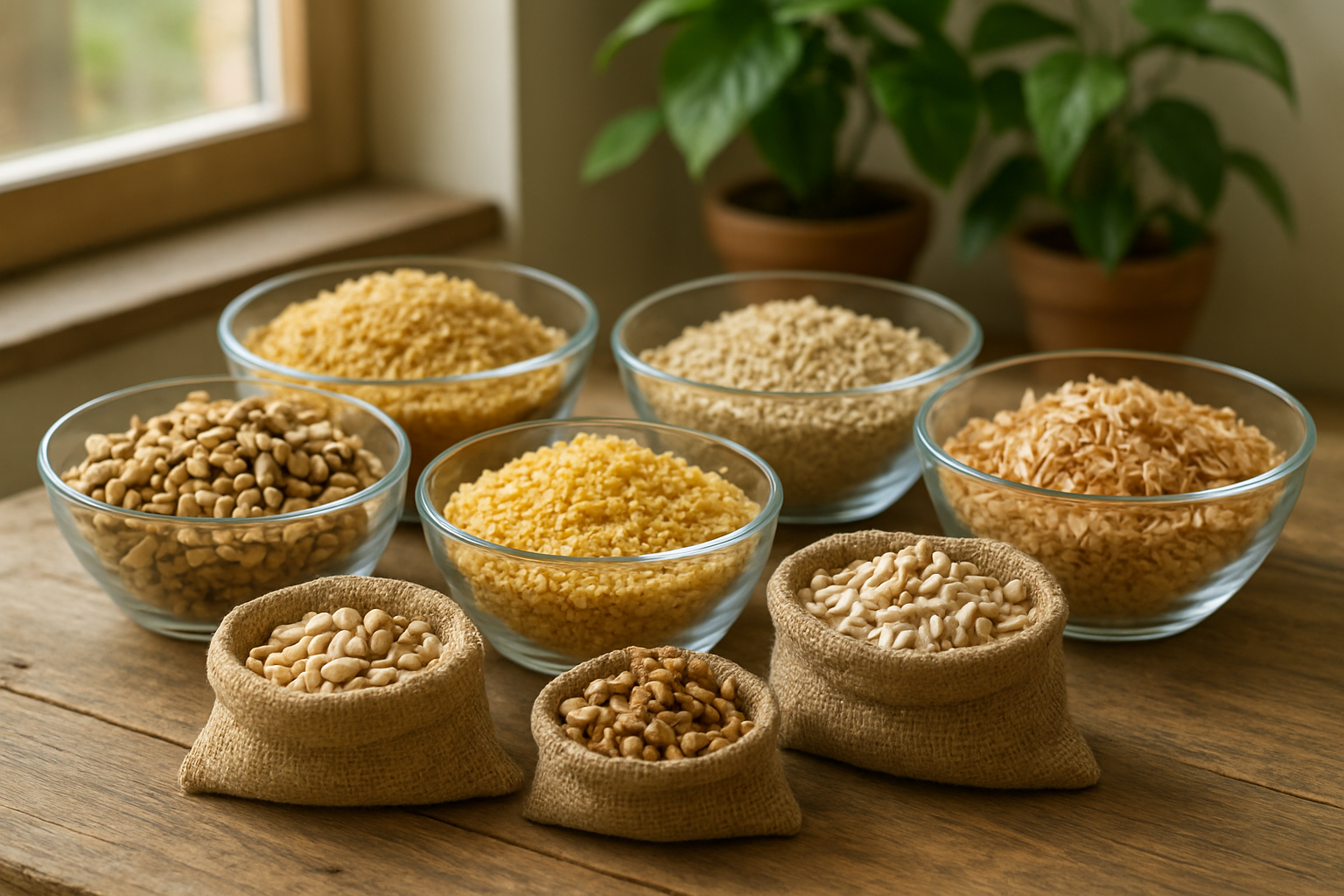
Pine Litter Benefits and Safety Considerations
Pine litter offers an exceptional eco-friendly solution made from repurposed natural wood, effectively reducing waste while providing excellent natural odor control. This sustainable option transforms wood byproducts into functional cat litter, making it an environmentally conscious choice for responsible pet owners. However, safety remains paramount when selecting pine litter, as it's crucial to choose products specifically designed for feline use, since pine can be toxic if ingested by cats.
Corn-Based Clumping and Biodegradable Properties
Derived from all-natural, renewable corn sources, corn-based litter delivers exceptional clumping abilities that make scooping effortless and efficient. This biodegradable option breaks down naturally, making it suitable for composting and reducing environmental impact. When selecting corn-based litter, always ensure the product is free from harmful chemicals that could compromise your cat's health or the litter's eco-friendly benefits.
Tofu Litter Advantages Including Flushable Convenience
Tofu litter presents a lightweight yet highly absorbent solution with remarkable clumping capabilities that rival traditional options. This environmentally friendly choice offers the unique advantage of being flushable, providing unmatched convenience for cat owners. The biodegradable nature of tofu litter ensures minimal environmental impact, though it's essential to select varieties completely free of harmful chemicals to maintain safety standards.
Wheat Litter Absorption and Eco-Friendly Features
Wheat litter demonstrates impressive biodegradable properties while delivering highly absorbent performance that forms tight clumps for easy cleaning. This eco-friendly alternative provides excellent functionality without compromising environmental responsibility. When researching wheat litter brands, thorough investigation is necessary to ensure no harmful additives or chemicals are present in the formulation.
Paper Litter for Sensitive Cats and Medical Needs
Paper litter excels as a highly absorbent, dust-free option specifically beneficial for cats with respiratory issues or sensitivities. This biodegradable and eco-friendly choice provides gentle care for cats requiring special consideration due to health concerns. Selection should focus on paper litter completely free from harmful chemicals or fragrances that could exacerbate sensitive conditions.
Coconut Husk Litter Natural Moisture Control
Coconut husk litter delivers exceptional absorption capabilities, effectively retaining both moisture and odor while remaining completely chemical-free. This natural option ensures safety for both cats and the environment through its inherent properties. When purchasing coconut husk litter, careful ingredient verification is essential, as some product mixes may include additional materials that could compromise the litter's natural benefits.
Complete Eco-Friendly Litter System Setup
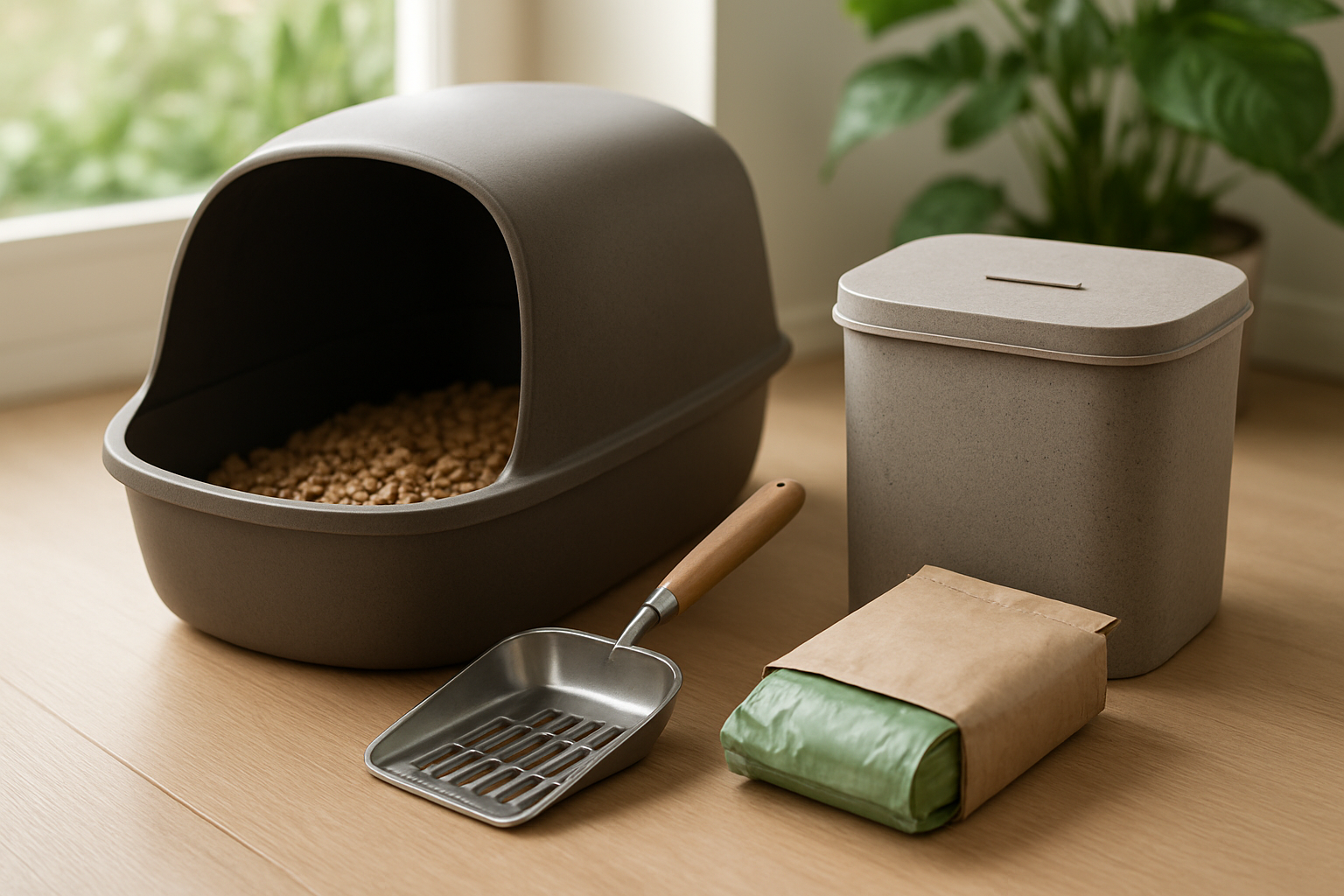
Compostable Waste Bags Made in USA
Now that we have covered the essential material options for eco-friendly cat litter, implementing a complete sustainable waste management system requires careful consideration of disposal methods. To maintain an eco-conscious cleaning routine, use compostable cat litter bags that align with your environmental values and reduce overall ecological impact.
When selecting compostable waste bags, prioritize USA-made certified compostable bags to reduce the carbon footprint associated with long-distance shipping. These domestically produced bags eliminate the environmental costs of international transportation while supporting local manufacturing initiatives. The certification ensures that these bags meet strict composting standards and will properly break down in appropriate composting facilities.
USA-made compostable bags offer superior quality control compared to imported alternatives, as they must adhere to stringent domestic manufacturing regulations. This quality assurance translates to better durability during use while maintaining their compostable properties. The reduced shipping distance from manufacturer to consumer significantly decreases greenhouse gas emissions, making your overall cat care routine more environmentally responsible.
When incorporating these bags into your routine, verify that they are certified for home composting if you plan to compost cat waste in appropriate facilities. The combination of eco-friendly litter materials with domestically produced compostable bags creates a comprehensive sustainable approach to feline waste management.
Plastic-Free Storage Solutions for Sustainable Maintenance
With this in mind, next, we'll examine how proper storage solutions complete your eco-friendly litter system setup. For sustainable waste organization, consider plastic-free and zero-waste storage solutions for litter bags that eliminate unnecessary plastic consumption from your cat care routine.
Cotton canvas holders represent an excellent plastic-free alternative for organizing and storing your compostable litter bags. These durable, washable storage solutions provide long-term functionality without contributing to plastic waste accumulation. Canvas holders offer breathability that prevents moisture buildup, protecting your compostable bags from premature degradation while maintaining their structural integrity.
These sustainable storage options integrate seamlessly with your eco-friendly litter system, creating a cohesive approach to environmentally conscious cat care. Cotton canvas storage solutions can be easily cleaned and maintained, extending their useful life significantly compared to disposable plastic alternatives. The natural fibers used in these holders align perfectly with the organic principles underlying your choice in eco-friendly litter materials.
Implementing plastic-free storage solutions demonstrates a commitment to comprehensive environmental responsibility that extends beyond just the litter material itself. These storage systems complement your USA-made compostable bags and sustainable litter choices, creating a complete zero-waste approach to feline waste management that minimizes environmental impact at every stage of the process.
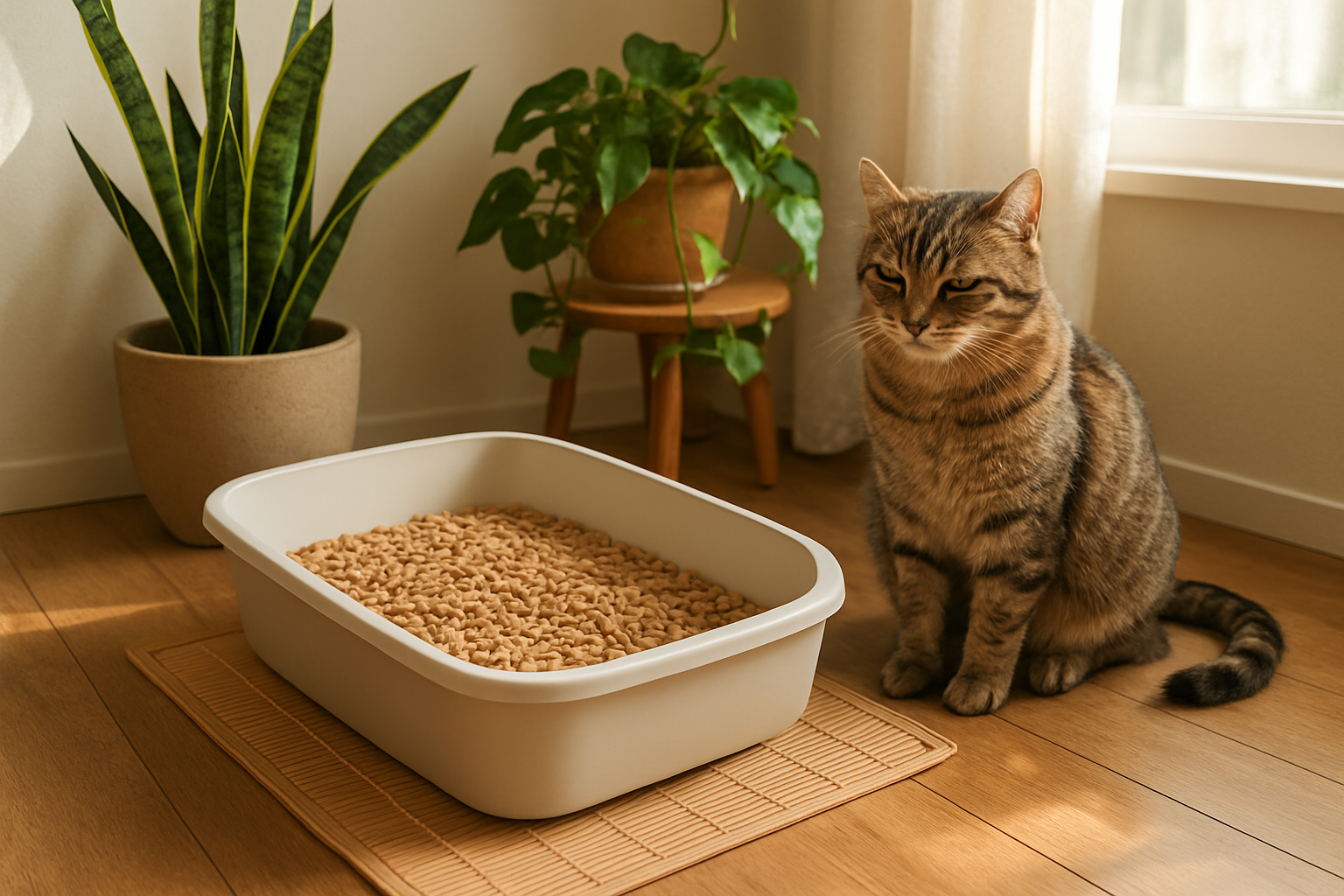
Making the switch to eco-friendly cat litter is one of the most impactful decisions you can make for your cat's health and the environment. By choosing biodegradable options like pine, corn, tofu, wheat, paper, or coconut litter over traditional clay and silica varieties, you're eliminating harmful strip mining practices, reducing landfill waste, and protecting your feline friend from respiratory issues and intestinal blockages. Remember to consider essential factors like dust levels, clumping ability, pellet size, and odor control when selecting the perfect natural litter for your cat's specific needs.
The transition to sustainable litter doesn't have to be overwhelming. Take a gradual approach by mixing small amounts of the new organic litter with your cat's current litter, and be patient as they adjust to the new texture and scent. Don't forget to complete your eco-friendly setup with compostable litter bags and sustainable storage solutions. With over two million tons of conventional litter waste entering U.S. landfills annually, every cat owner who makes this switch contributes to a cleaner, healthier planet while providing their beloved pet with a safer, more natural bathroom experience.