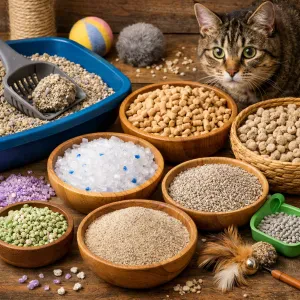
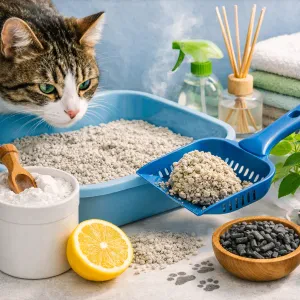
How to Choose the Perfect Green Paw Litter for Your Cat
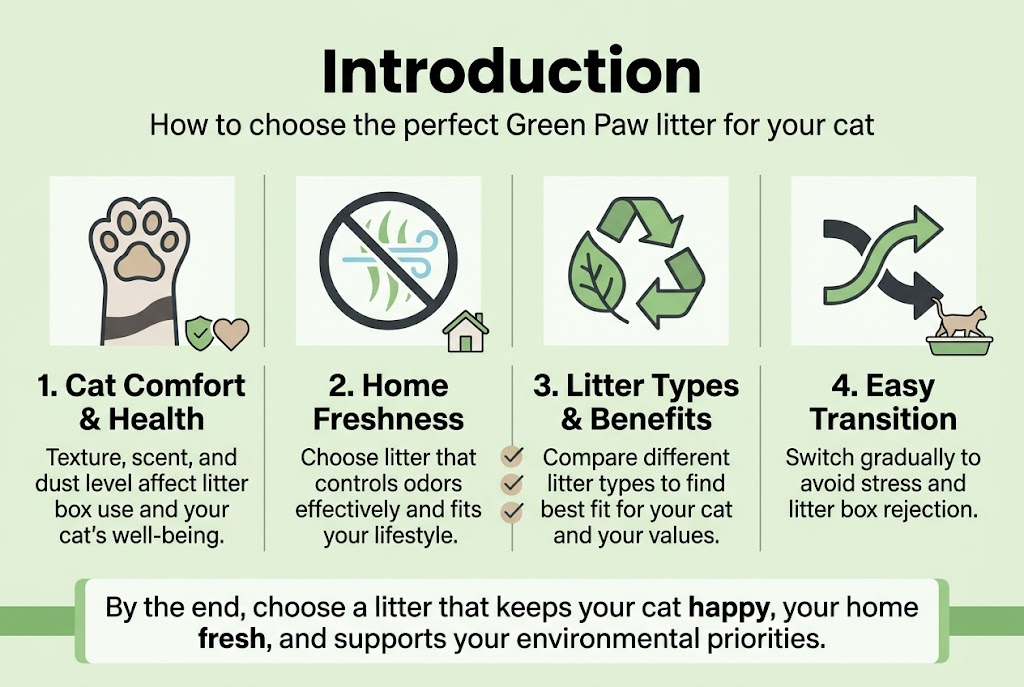
Finding the perfect cat litter for your feline friend can feel overwhelming with so many options on the market. This guide is designed for cat owners who want to make an informed decision about how to choose the perfect Green Paw litter for your cat while keeping both their pet's health and environmental impact in mind.
Your cat's comfort and health depend heavily on the litter you choose. The wrong texture, scent, or dust level can lead to litter box avoidance, creating stress for both you and your cat. At the same time, you want something that controls odors effectively and fits your lifestyle and values.
We'll walk you through the different types of cat litter available and their unique benefits, so you can understand what works best for various situations. You'll also discover the essential factors to consider when selecting litter, including your cat's preferences, any health concerns, and your environmental priorities. Finally, we'll share practical strategies for transitioning your cat to a new litter without causing stress or rejection.
By the end of this guide, you'll have the knowledge to confidently choose a litter that keeps your cat happy, your home fresh, and aligns with your values.
Understanding Why the Right Cat Litter Choice Matters for Your Feline's Health
How Litter Choice Impacts Your Cat's Behavior and Hygiene
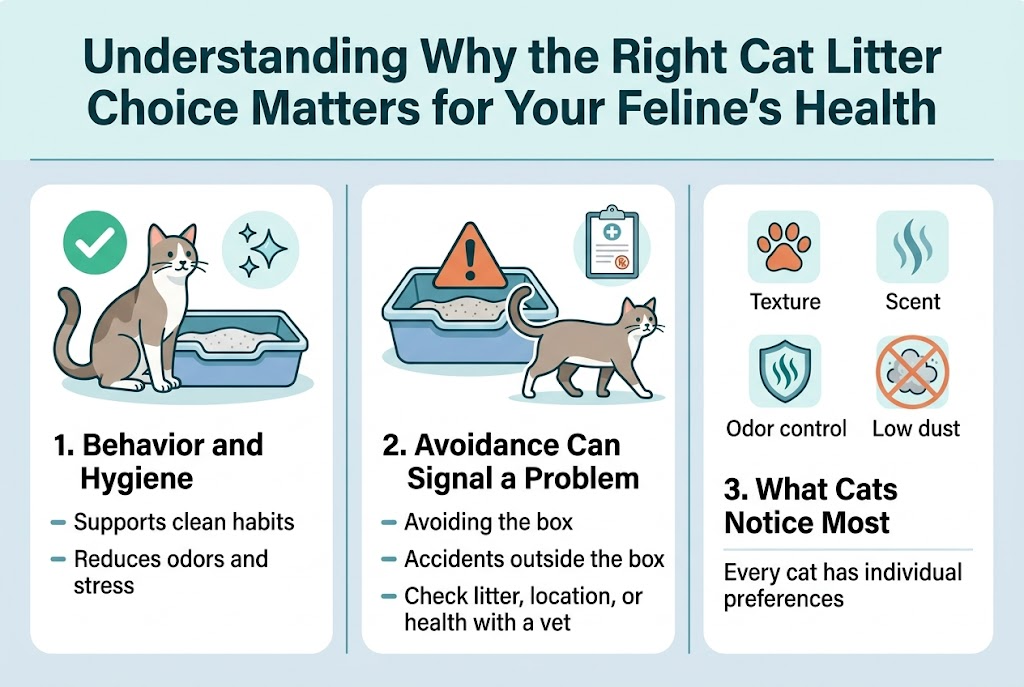
Selecting the right cat litter profoundly influences your feline's overall well-being, serving as a cornerstone for maintaining proper hygiene, reducing unpleasant odors, and promoting positive behavioral patterns. Cats are inherently clean animals with an instinctive preference for maintaining tidy environments, making their litter box experience critical to their daily comfort and long-term health habits.
The connection between litter quality and feline behavior extends beyond simple preference - it directly affects whether your cat will consistently use their designated elimination area. When cats encounter litter that meets their natural instincts and comfort requirements, they develop reliable litter box habits that support both their physical health and psychological well-being. Conversely, inappropriate litter choices can disrupt these essential routines, leading to stress and behavioral complications.
Recognizing When Litter Box Avoidance Signals Health or Preference Issues
Sudden changes in litter box behavior serve as important warning signs that require immediate attention from cat owners. When cats begin avoiding their litter box or having accidents outside their designated area, multiple underlying causes may be at play. These behavioral shifts can indicate dissatisfaction with the current litter box setup, including discomfort with the litter type, disapproval of the box's location, or preference changes that have developed over time.
However, persistent litter box avoidance may signal more serious underlying medical conditions that require professional veterinary evaluation. If your cat's elimination habits change suddenly or continue despite addressing environmental factors, consulting with a veterinarian becomes essential to rule out health-related causes and ensure your pet receives appropriate care.
Key Factors That Influence Your Cat's Litter Box Satisfaction
Understanding that each cat possesses individual preferences helps explain why litter selection requires careful consideration of multiple variables. The texture, scent profile, odor control capabilities, and dust levels of litter all play crucial roles in determining whether your feline will accept and consistently use their litter box.
Cats demonstrate distinct sensitivities to these characteristics, with some preferring certain textures under their paws while others may react negatively to specific scents or dust particles. When cats refuse to use newly introduced litter, their rejection typically stems from discomfort or aversion to the material's feel, smell, or other sensory properties that don't align with their natural preferences and comfort requirements.
Complete Guide to Different Cat Litter Types and Their Benefits
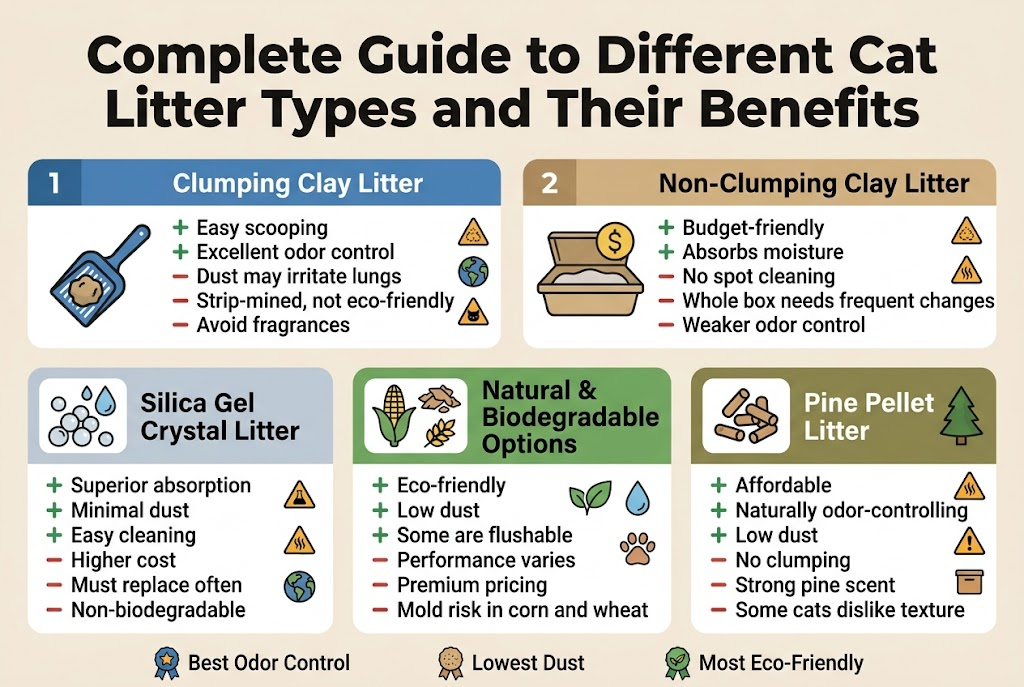
Clumping Clay Litter: Easy Scooping with Excellent Odor Control
Clumping clay litter stands as one of the most popular choices among cat owners due to its practical convenience. When moisture contacts this litter, it solidifies into clumps that can be easily scooped out, making daily maintenance significantly more manageable. The excellent odor control capabilities stem from deodorizers often contained within the formula, helping to neutralize unpleasant smells effectively.
However, this convenience comes with notable drawbacks. The dusty nature of clumping clay can irritate both feline and human respiratory systems, particularly problematic for cats or family members with asthma. Additionally, the environmental impact is concerning since this litter type is produced from strip-mined clay, making it far from eco-friendly. Many brands also contain chemical fragrances that may be harmful, so opting for fragrance-free versions is advisable.
Safety concerns include the risk of kittens ingesting clumps, which can cause dangerous blockages. The litter's tendency to stick to paws increases the likelihood of accidental ingestion during grooming, and the dust particles may exacerbate existing respiratory conditions.
Non-Clumping Clay Litter: Budget-Friendly Moisture Absorption
Non-clumping clay litter offers an economical solution for cat owners seeking moisture absorption capabilities without premium pricing. This litter type excels at absorbing liquids but lacks the clumping mechanism that allows for spot cleaning.
The primary disadvantage lies in maintenance requirements. Since urine spreads throughout the litter rather than forming removable clumps, the entire litter box requires more frequent complete changes. This characteristic also leads to less effective odor control, as ammonia smells accumulate and build up faster compared to clumping alternatives.
From a health perspective, odor accumulation can potentially deter cats from using their litter box, leading to inappropriate elimination behaviors. The dusty composition poses similar respiratory irritation risks as clumping clay, and this litter type tends to track more extensively outside the box.
Silica Gel Crystal Litter: Superior Absorption with Minimal Dust
Silica gel crystal litter delivers exceptional performance in moisture and odor absorption while maintaining a low-dust environment. This non-toxic option makes cleaning straightforward and provides superior absorbent capabilities compared to traditional clay alternatives.
Despite these advantages, crystal litter requires frequent replacement since it doesn't form clumps for spot removal. The production process involves mining operations that create environmental concerns, and the cost typically exceeds other litter types. The non-biodegradable nature further compounds environmental impact issues.
Health considerations include the rapid buildup of bacteria and odors if replacement schedules aren't maintained diligently. Many commercial brands incorporate fragrances and additional chemicals, making it essential to select unscented, chemical-free varieties to minimize potential irritation risks.
Natural and Biodegradable Options: Eco-Friendly Corn, Wheat, and Wood Alternatives
Natural and biodegradable litters manufactured from corn, wheat, wood, paper, and coconut materials represent environmentally conscious choices. These sustainable options typically produce minimal dust and some varieties offer flushable convenience, making disposal more manageable.
Performance characteristics vary significantly among natural options, with clumping abilities and odor control effectiveness differing between materials. The premium pricing of many natural alternatives can be a determining factor for budget-conscious pet owners.
Potential concerns include cats rejecting unfamiliar textures or scents, which may require gradual transition periods. Corn and wheat-based litters carry mold risks if not changed frequently, while certain natural textures may cause discomfort for cats with sensitive paw pads.
Pine Pellet Litter: Affordable and Naturally Odor-Controlling Solution
Pine pellet litter combines environmental responsibility with cost-effectiveness, utilizing recycled wood materials in a biodegradable format. The low dust production makes it suitable for cats with respiratory sensitivities, while the natural pine properties provide inherent odor control.
The lack of clumping capability necessitates more frequent complete litter changes, and some cats may find the pellet texture uncomfortable. The strong pine scent, while natural, can cause irritation in sensitive individuals.
Safety considerations include potential skin and respiratory irritation in susceptible cats. Proper storage and disposal practices are essential to prevent insect attraction, and the non-clumping nature requires vigilant monitoring to maintain hygiene standards through regular replacement schedules.
Essential Factors for Selecting the Perfect Litter Match
Evaluating Your Cat's Texture and Scent Preferences
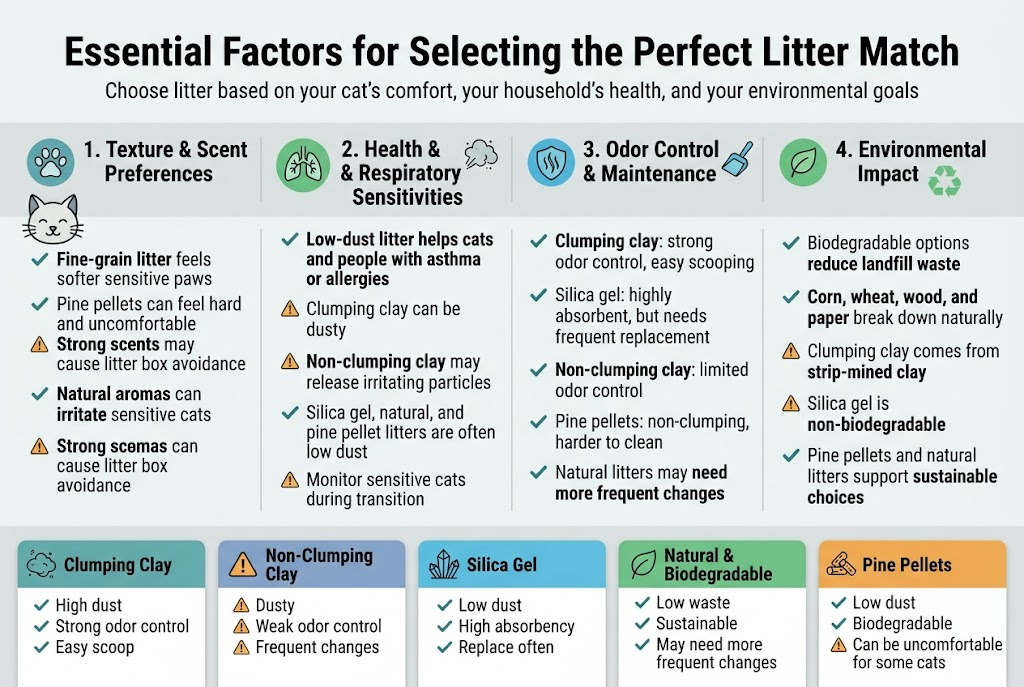
When selecting the perfect litter, understanding your cat's individual preferences is crucial for success. Cats are naturally particular creatures when it comes to texture, scent, and clumping ability, and their refusal to use new litter often stems from discomfort or aversion to its feel or smell. This selectiveness isn't mere pickiness—it's an instinctual response that directly impacts their willingness to use the litter box consistently.
Texture plays a significant role in your cat's comfort level. Some cats may find certain textures uncomfortable, particularly those with sensitive paws. Pine pellets, for example, can cause texture discomfort for many cats due to their larger, harder composition compared to traditional fine-grain litters. Additionally, cats may dislike the texture of natural or biodegradable litters, which often have different consistencies than conventional clay options.
Scent sensitivity is equally important to consider. While some litters are designed to be naturally aromatic, strong scents can be overwhelming or irritating to sensitive cats. Pine pellets carry a distinct pine fragrance that may cause irritation in cats with heightened scent sensitivity, potentially leading to litter box avoidance.
Addressing Health Concerns and Respiratory Sensitivities
Now that we've covered preference factors, it's essential to consider the health implications of your litter choice. For households where cats or family members suffer from asthma or allergies, selecting low-dust options becomes a priority rather than a preference.
Dust generation varies significantly among litter types. Clumping clay litter, while popular for its convenience, is often dusty and can irritate respiratory systems, potentially worsening existing asthma or respiratory issues. Similarly, non-clumping clay litter carries risks of respiratory irritation due to dust particles released during pouring and scooping.
Fortunately, several alternatives offer better respiratory health benefits. Silica gel, natural/biodegradable options, and pine pellet litters are noted for being low dust, making them beneficial choices for managing respiratory health and allergies. However, it's worth noting that pine pellets can potentially cause skin and respiratory irritation in some sensitive cats, so monitoring your pet's response during the transition period is crucial.
Balancing Odor Control Needs with Maintenance Requirements
With health considerations in mind, the next critical factor involves balancing effective odor management with your preferred maintenance routine. Different litter types offer varying levels of odor control and require different cleaning approaches.
For superior odor absorption, clumping clay, silica gel, and certain natural litters like pine or coconut provide excellent performance against strong odors. However, some natural litters may require more frequent changes to maintain optimal freshness compared to synthetic alternatives.
Maintenance requirements differ substantially across litter types. Clumping litter significantly simplifies waste removal through easy scooping of formed clumps, while non-clumping and pellet-based litters often necessitate more frequent full box replacements. Non-clumping clay demonstrates limited odor control capabilities, leading to faster ammonia smell buildup and requiring more frequent changing schedules.
Silica crystals present unique characteristics—they're highly absorbent for both moisture and odors but require frequent replacement since they don't form removable clumps. Pine pellets, being non-clumping, make cleaning more challenging and require frequent changes, similar to non-clumping clay and crystal alternatives.
Considering Environmental Impact and Sustainability Goals
Previously, we've focused on practical and health considerations, but environmental consciousness increasingly influences pet care decisions. For cat owners prioritizing sustainability, understanding the environmental footprint of different litter options helps align pet care choices with ecological values.
Biodegradable options like corn, wheat, wood, or paper litters significantly reduce landfill waste compared to clay-based alternatives. These natural materials break down naturally over time, minimizing long-term environmental impact.
Conversely, traditional options present environmental challenges. Clumping clay lacks eco-friendliness due to its production from strip-mined clay, which involves environmentally destructive extraction processes. Silica gel litter production requires mining operations and creates non-biodegradable waste that contributes to landfill accumulation.
Natural/biodegradable options and pine pellet litter stand out as environmentally friendly, sustainable, and biodegradable choices that align with green living goals while still meeting your cat's litter box needs.
Smart Strategies for Successfully Transitioning to New Litter
Gradual Mixing Techniques to Prevent Litter Box Rejection
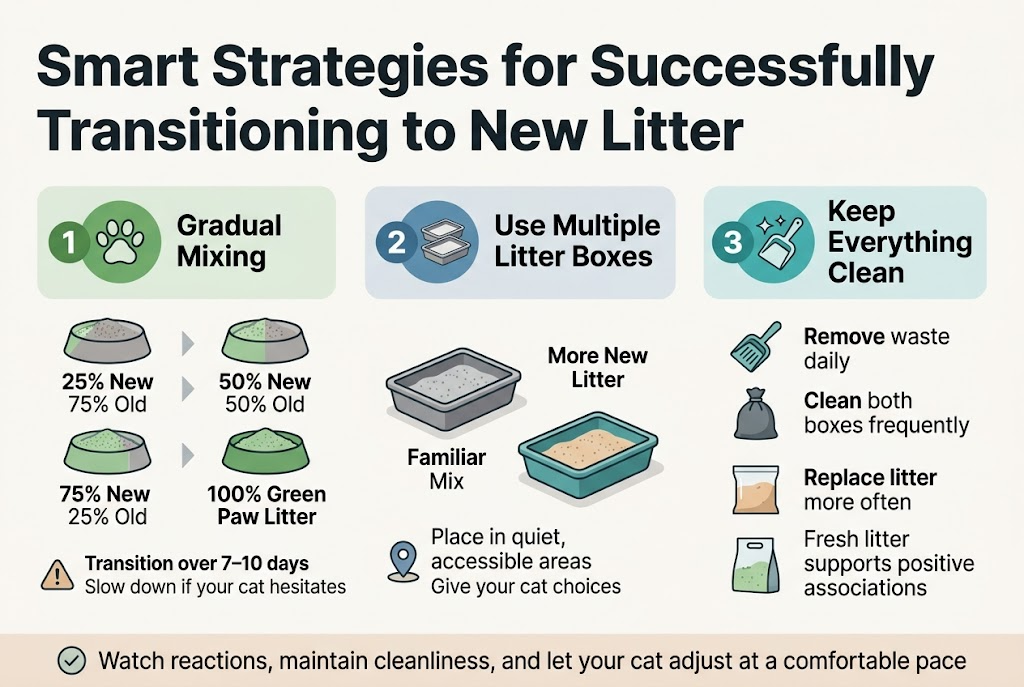
The key to successful litter transition lies in gradual mixing, which prevents your cat from rejecting their litter box entirely. Start by mixing small amounts of the new green paw litter with your cat's current litter, using a ratio of approximately 25% new litter to 75% familiar litter. This gentle approach allows your feline to become accustomed to the new texture, scent, and feel without experiencing the shock of a complete change.
Over the course of 7-10 days, gradually increase the proportion of new litter while decreasing the old litter. Move to a 50-50 ratio for a few days, then progress to 75% new litter and 25% old litter. Finally, complete the transition to 100% green paw litter. This methodical approach respects your cat's natural resistance to change and significantly reduces the likelihood of litter box avoidance behaviors.
Monitor your cat's reactions throughout this process. If you notice any signs of hesitation or avoidance, slow down the transition timeline and maintain the current ratio for a few additional days before proceeding to the next step.
Using Multiple Litter Boxes During the Transition Period
Implementing multiple litter boxes during the transition period provides your cat with choices and reduces stress associated with litter changes. Set up at least two litter boxes in different locations - one containing the familiar litter mixture and another with a higher concentration of the new green paw litter.
This dual-box strategy allows your cat to gradually adapt to the new litter while maintaining access to their preferred option. Many cats will naturally begin exploring the box with more new litter as they become comfortable with the scent and texture. The multiple box approach also serves as a safety net, ensuring your cat always has an acceptable elimination option available.
Position the boxes in quiet, easily accessible areas where your cat feels secure. Avoid placing both boxes in the same immediate vicinity, as this may not provide the psychological comfort of having true alternatives throughout your home.
Maintaining Cleanliness Standards Throughout the Switch
Maintaining impeccable cleanliness standards becomes even more critical during litter transitions, as cats are naturally more sensitive to changes in their elimination environment. Clean both litter boxes more frequently than usual, removing waste immediately and performing thorough cleanings daily.
The transition period requires heightened attention to hygiene because any negative associations with cleanliness can compound the stress of adapting to new litter. Fresh, clean litter encourages continued use and helps your cat form positive associations with the new green paw litter.
Replace litter completely more often during the transition, as the mixing process can sometimes create inconsistent textures that may retain odors differently than pure litter types. This extra diligence in cleanliness standards supports smooth adjustment and prevents the development of elimination problems that could persist long after the transition is complete.
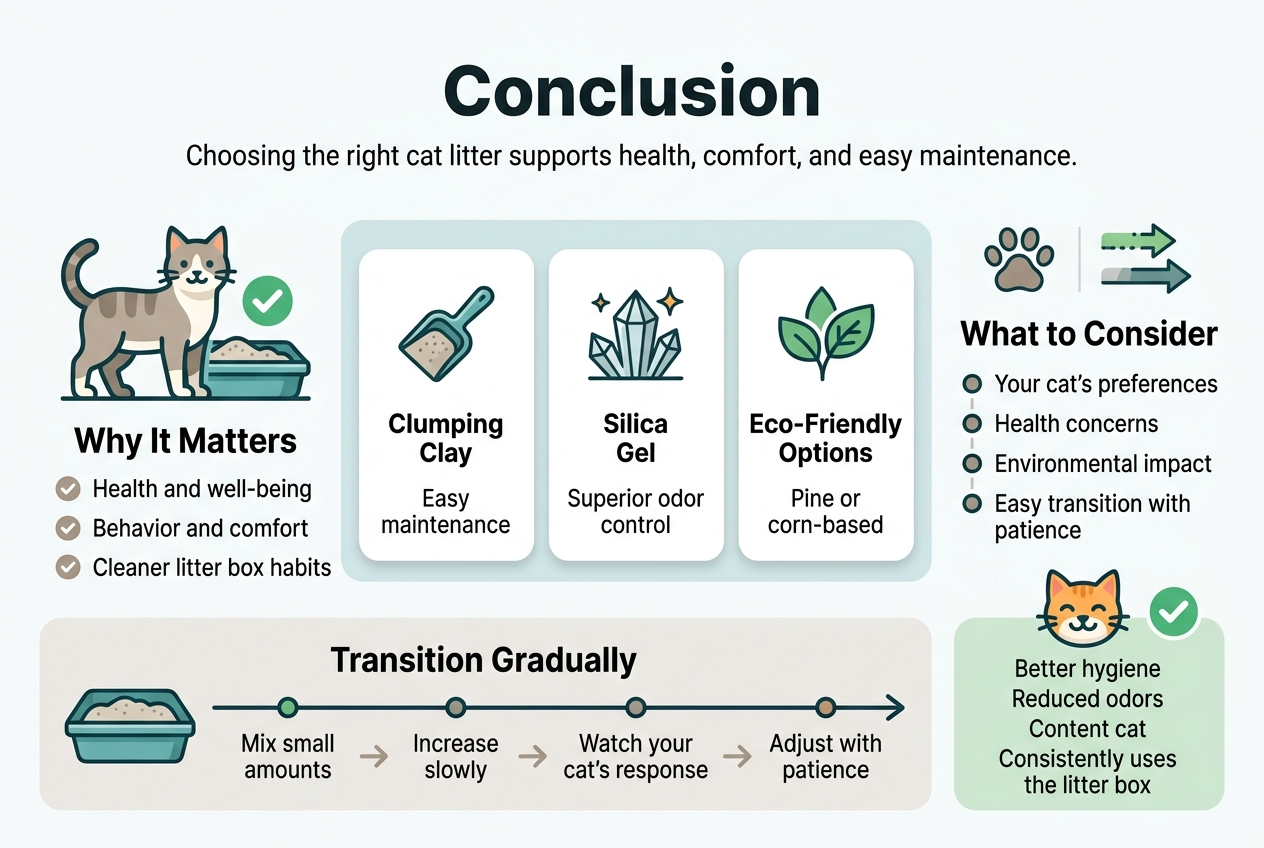
Choosing the right cat litter is a crucial decision that directly impacts your feline's health, behavior, and overall well-being. As we've explored, understanding why litter choice matters, knowing the different types available, and considering essential factors like your cat's preferences, health concerns, and environmental impact will guide you toward the perfect match. Whether you opt for clumping clay for easy maintenance, silica gel for superior odor control, or eco-friendly alternatives like pine or corn-based litters, the key is finding what works best for both you and your cat.
Remember that successfully transitioning to a new litter requires patience and gradual changes to help your cat adjust comfortably. By taking the time to evaluate your cat's specific needs and preferences, you'll create a clean, comfortable environment that keeps your feline friend happy while making litter box maintenance easier for you. The investment in finding the right litter will pay off with better hygiene, reduced odors, and most importantly, a content cat who consistently uses their litter box.