Best cat litter for odor control
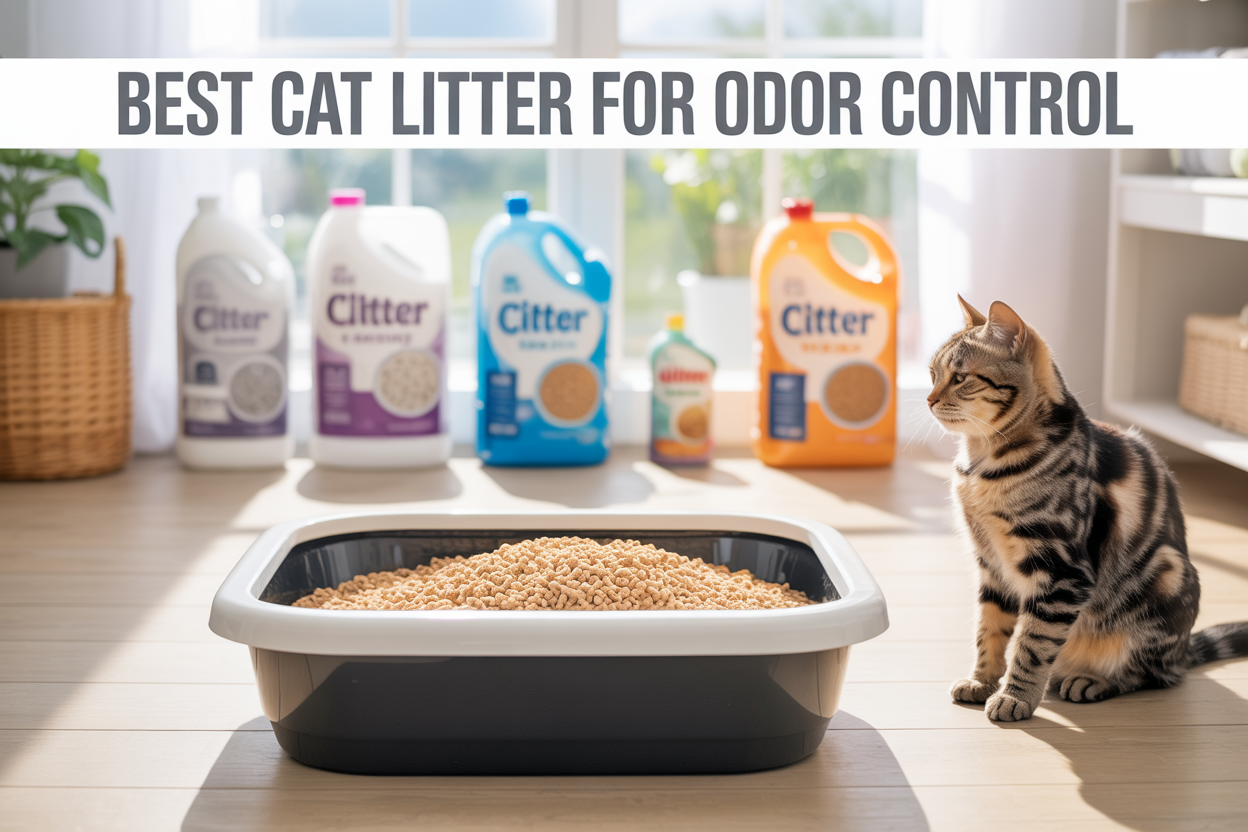
No cat parent wants their home to smell like a litter box, but even the most adorable feline leaves behind some seriously stinky waste. Finding the best cat litter for odor control can make all the difference between a fresh-smelling home and one that screams "cat house" to anyone who walks through the door.
This guide is for cat owners who are tired of battling persistent litter box odors, whether you have one picky kitty or a multi-cat household that puts your current litter to the test. Maybe you've tried everything on the pet store shelf, or you're a new cat parent wondering why your house suddenly smells like ammonia.
We'll walk through the top-performing cat litters that actually eliminate odors instead of just masking them with heavy perfumes. You'll also discover natural and eco-friendly options that work without harsh chemicals, plus the daily maintenance habits that keep your litter box fresh between cleanings. We'll cover the key features that separate truly effective odor-controlling litters from the marketing fluff, and troubleshoot those stubborn smells that seem impossible to eliminate.
Top-Performing Cat Litters for Maximum Odor Control
Purina Tidy Cats Naturally Strong Unscented Cat Litter
This clay-based litter combines moisture-absorbing natural clay with activated charcoal to effectively banish stench-causing bacteria. The fragrance-free, dust-free formula makes it an excellent choice for sensitive humans and multi-cat households. Its familiar texture appeals to many cats and kittens, ensuring easy adoption without behavioral issues.
The litter demonstrates excellent clumping properties, though users should note that clumps may break apart if not scooped gently. Available in convenient 20-pound and 35-pound jugs, this moderately priced option offers wide availability, making it accessible for most cat owners. The combination of natural clay and activated charcoal provides reliable odor control without overwhelming fragrances.
Tuft and Paw Really Great Cat Litter (Tofu-Based)
This innovative tofu-based litter represents a natural approach to odor control, made from soybean byproducts. The tiny pellets provide complete odor control while remaining totally dust-free, significantly reducing tracking since the material doesn't stick to paws. This eco-friendly option clumps quickly with urine and dissolves in water, making pee clumps flushable in many areas (always check local ordinances first).
The 9.5-pound resealable bags offer convenient storage and handling. While generally preferred by experts for its natural composition, it may not work effectively in most automatic litter boxes. Younger cats typically adapt to the texture change more easily than older cats. The tofu-based formula is praised for being ecologically sound while delivering quick clumping action that controls odors effectively with minimal tracking.
Arm & Hammer Clump & Seal Multi-Cat Litter
This clay-based litter utilizes baking soda for superior odor control, featuring a very faint, fresh floral scent that doesn't overwhelm sensitive noses. The formula excels at maintaining odor control even when left unscooped for several days, making it ideal for busy households or multi-cat environments.
The coarse sand consistency produces little to no dust while exhibiting very low tracking properties. It forms solid, easy-to-scoop clumps that hold together well during cleaning. Available in various sizes ranging from 14-pound to 38-pound boxes, this reasonably priced option offers flexibility for different household needs. Users consistently appreciate its strong clumping ability and effectiveness, often reporting they don't need to perform complete litter changes as frequently, making it both economical and convenient for long-term use.
Natural and Eco-Friendly Odor Control Solutions

Pine Pellet Litters for Chemical-Free Odor Management
Pine pellet litter stands out as an exceptional chemical-free solution for cat owners seeking effective odor control without synthetic additives. Often available at affordable prices from feed stores, this natural option has earned praise from users who report eliminating pee smells entirely from their litter boxes.
The unique composition of pine pellets requires a specialized approach to litter box maintenance. Unlike traditional clumping litters, pine pellets break down into sawdust when exposed to moisture, necessitating the use of a special sifting litter box system. This design allows the sawdust to fall through while keeping the solid waste contained above.
For optimal odor control, immediate scooping of solid waste is essential, as pine pellets work best when fresh. Weekly maintenance involves sifting out the accumulated sawdust, which maintains the litter's effectiveness and prevents odor buildup. While some users note that sawdust tracking can be more prominent compared to other litter types, strategic placement of rugs around the litter box effectively minimizes this concern.
Notable brands like Dr. Pol's and Feline Pine have established reputations for delivering both effectiveness and affordability in the pine pellet category. These products demonstrate that natural odor control doesn't require compromising on performance or budget considerations.
Corn-Based Litters for Biodegradable Performance
Corn-based litters offer an environmentally conscious approach to odor management while maintaining biodegradable properties that appeal to eco-minded pet owners. World's Best Cat Litter exemplifies this category, demonstrating the potential for complete odor absorption through natural corn materials.
However, user experiences with corn-based options reveal some performance considerations. Some cat owners encounter challenges with clump formation, noting that the clumps may not hold together as easily as desired during scooping. Additionally, dust production and over-saturation issues can lead to increased tracking, potentially affecting the cleanliness of surrounding areas.
To maximize the benefits of corn-based litters, many experienced users employ strategic combinations with other natural materials, such as cassava-based litters. This blending approach helps address tracking concerns while maintaining the biodegradable advantages and odor control capabilities that make corn-based options attractive.
The effectiveness of corn-based litters becomes particularly evident when paired with proper waste management systems like the Litter Genie. This combination enhances the overall odor control performance, allowing the natural absorption properties of corn to work optimally while providing convenient disposal solutions for busy pet owners seeking sustainable litter alternatives.
Essential Maintenance Practices for Odor Prevention
Daily Scooping Requirements for Optimal Freshness
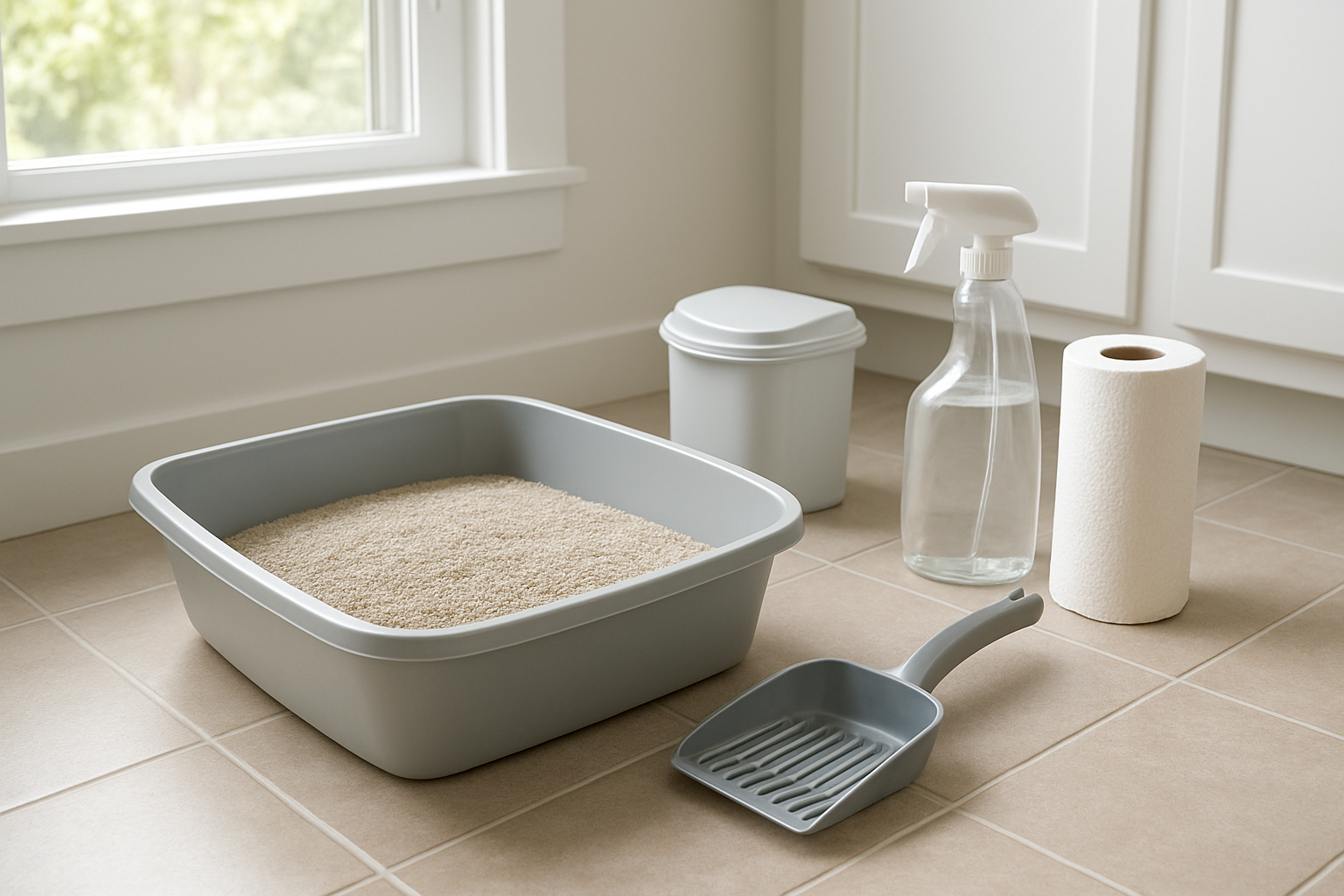
Experts emphasize that there is no magic solution for an odor-free litter box, making regular scooping the cornerstone of effective odor control. Daily scooping represents the absolute minimum requirement for maintaining optimal freshness, though many situations call for more frequent attention.
For households dealing with particularly strong odors or multiple cats, scooping 2-3 times per day becomes essential. This increased frequency ensures that waste doesn't have time to develop potent smells that can permeate your home and make the litter box unappealing to your cats. The beauty of consistent daily scooping lies in its simplicity - this maintenance task takes very little time but delivers significant improvements in overall freshness.
The key to success with daily scooping is establishing it as a non-negotiable routine. Cats are naturally clean animals, and they prefer using a fresh, clean litter box. When waste accumulates, cats may begin avoiding the box entirely, leading to accidents outside the designated area and compounding your odor problems.
Immediate attention to strong odors prevents them from settling into the litter and surrounding areas. By removing waste promptly, you're not only maintaining a more pleasant environment but also encouraging consistent litter box usage from your feline companions.
Proper Litter Depth and Distribution Techniques
Maintaining the correct litter depth serves as a critical foundation for effective odor control. The optimal depth ranges from 3 to 4 inches, providing sufficient material for cats to dig and cover their waste while creating an adequate barrier against odor penetration.
Insufficient litter depth creates multiple problems that directly impact odor control. When litter levels drop too low, urine can reach the bottom of the box, where it adheres to the plastic surface and creates persistent smells that become increasingly difficult to eliminate. This contact with the box bottom also allows odors to penetrate the plastic material over time.
Proper distribution of litter throughout the box ensures consistent depth across the entire surface area. Cats often prefer certain spots within their litter box, and uneven distribution can create shallow areas where waste contacts the bottom. Regularly leveling and redistributing the litter prevents these problem areas from developing.
Monitoring litter levels becomes crucial as cats use the box throughout the day. The litter amount should never be allowed to get too low, as this compromises the entire odor control system. When you notice the depth approaching the minimum 3-inch threshold, it's time to add fresh litter to maintain optimal conditions for both odor control and your cat's comfort.
Key Features to Look for in Odor-Controlling Litters
Clumping vs Non-Clumping Performance Comparison
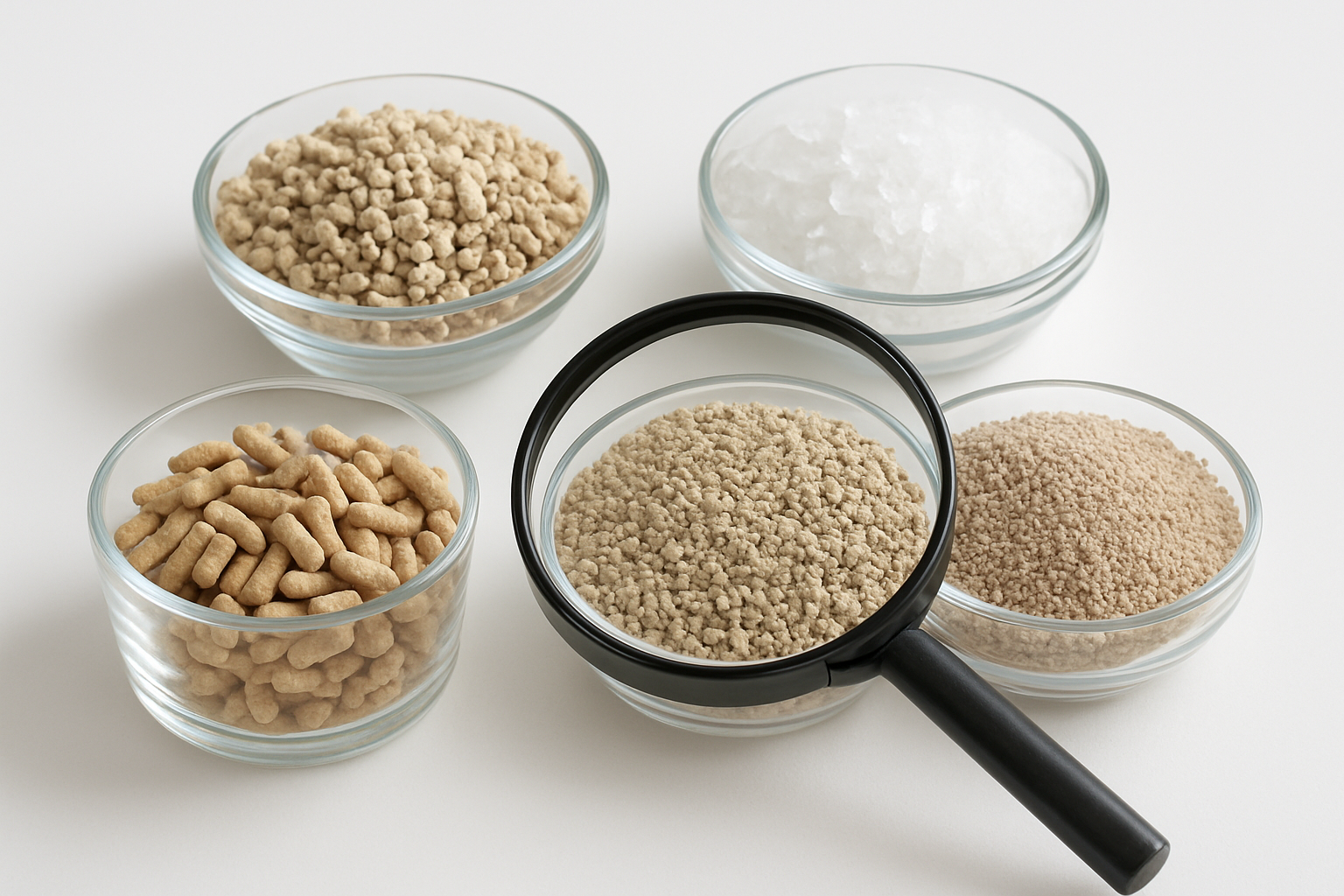
When evaluating odor control effectiveness, the fundamental distinction between clumping and non-clumping litters significantly impacts performance. Clumping litters excel at binding waste together, creating solid masses that make scooping considerably easier while preventing odors from spreading throughout the litter box. This is particularly crucial for urine odor management, as clumping action encapsulates liquid waste before it can permeate the entire box.
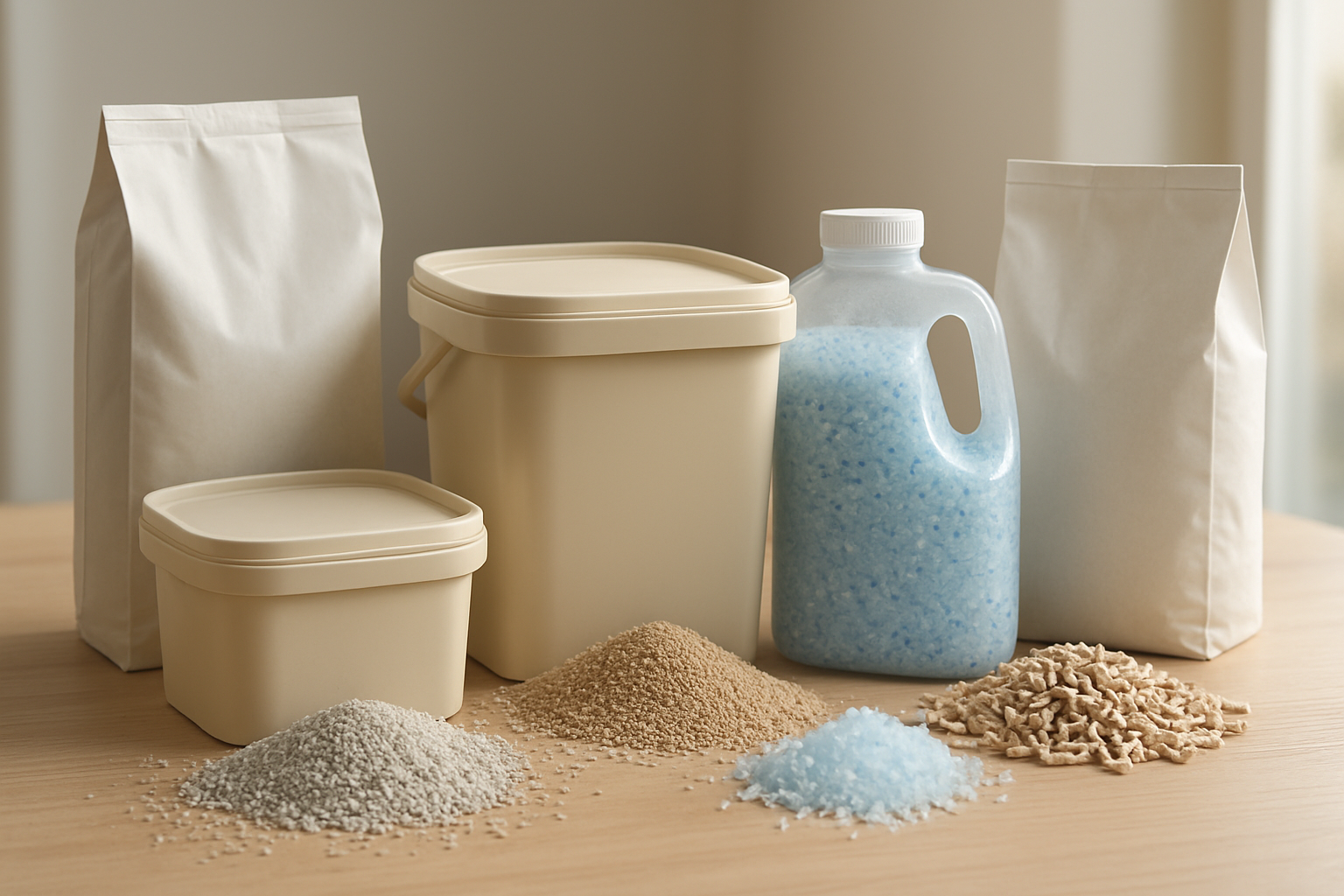
Non-clumping alternatives present a mixed landscape of performance. Crystal silica pellets demonstrate highly effective odor control capabilities, though they present a unique challenge where saturated crystals become mixed with clean ones, making complete waste removal more difficult. Pine pellet litters typically fall into the non-clumping category but can manage odor effectively when used with a sifting box system that separates sawdust from intact pellets.
Tofu litter stands out for its rapid clumping ability, which proves to be a significant factor in superior odor control. The quick formation of solid clumps prevents waste from settling into the litter base, maintaining fresher conditions for longer periods.
Scented vs Unscented Options for Sensitive Cats
The fragrance debate in cat litter selection involves careful consideration of both effectiveness and feline acceptance. Many litters incorporate added fragrances or probiotic enhancements to combat odors, but expert recommendations consistently favor a more conservative approach.
External scent crystals and deodorizers should be avoided, as air freshener scents often prove off-putting to cats and may lead to litter box avoidance—a problem far more concerning than the original odor issue. The combination of artificial fragrances with natural waste odors frequently creates an unpleasant mixture that many users find objectionable.
Fragrance-free options represent the optimal choice for households with sensitive cats or humans. These formulations often incorporate activated charcoal for odor protection without introducing potentially irritating artificial scents. This approach provides effective odor control while maintaining the neutral environment that cats naturally prefer, ensuring consistent litter box usage.
Dust-Free Formulas for Better Air Quality
Dust production varies dramatically among different litter formulations, making this a critical consideration for respiratory health. Top-performing products like Purina Tidy Cats Naturally Strong Unscented and Tuft and Paw Really Great Cat Litter explicitly market their dust-free properties, reflecting the importance manufacturers place on this feature.
The dust spectrum ranges from completely dust-free options to those with minimal dust production, such as Boxiecat BoxiePro. However, some popular choices like World's Best Cat Litter have been noted for emitting dust when poured, which can compromise air quality for both cats and humans.
Low-dust or dust-free formulations contribute significantly to better respiratory conditions in the home environment. This is particularly important for cats with sensitive respiratory systems and households where family members may have allergies or asthma. The investment in dust-free options pays dividends in maintaining healthier air quality around the litter box area.
Troubleshooting Persistent Litter Box Odors

Diet-Related Causes of Excessive Waste Odors
The wrong food ingredients can significantly impact the intensity of your cat's waste odors. Food intolerances and allergies often manifest through extra strong-smelling poop and urine, making even the best litter struggle to contain the overwhelming scents. When cats consume foods that don't agree with their digestive systems, the resulting waste produces particularly pungent odors that penetrate through standard litter materials.
Addressing your cat's diet can dramatically reduce waste odors and improve overall litter box management. Consider switching to sensitive digestion formulas specifically designed for cats with dietary sensitivities. These specialized foods often contain easily digestible proteins and limited ingredients that reduce the likelihood of digestive upset and subsequent odor issues.
Diarrhea presents an especially challenging odor problem, as loose stools smell significantly worse than properly formed stools. This condition frequently stems from diet-related issues and warrants immediate veterinary attention. The liquid consistency makes it nearly impossible for litter to effectively absorb and control odors, creating an unpleasant environment for both cats and owners. Working with your veterinarian to identify dietary triggers and establish an appropriate feeding regimen is essential for resolving persistent odor problems linked to digestive issues.
Health Issues That Contribute to Stronger Smells
Persistent or unusually strong litter box odors often signal underlying health problems that require professional veterinary evaluation. When odors remain exceptionally bad despite proper litter maintenance and regular cleaning schedules, this typically indicates that the issue extends beyond simple litter box management.
Gastrointestinal issues frequently manifest through unusually strong-smelling waste, particularly when accompanied by loose stools or changes in elimination patterns. These digestive problems affect how nutrients are processed and absorbed, leading to waste with more intense odors that standard litter cannot effectively neutralize.
Kidney problems represent another serious health concern that dramatically impacts urine odor intensity. Compromised kidney function affects the body's ability to filter waste products effectively, resulting in highly concentrated urine with overwhelming ammonia-like smells. Similarly, urinary tract infections (UTIs) produce distinctively strong urine odors that persist despite frequent litter changes and thorough cleaning.
If you notice exceptionally bad odors accompanied by very strong urine or persistent loose stools, schedule a veterinary consultation immediately. These symptoms could signal serious medical conditions requiring prompt treatment. Early intervention often prevents complications and helps restore normal waste odor levels more quickly than waiting for symptoms to worsen.
Multi-Cat Household Odor Management Strategies
Managing odors in multi-cat households requires extra vigilance and specialized approaches beyond standard single-cat maintenance routines. The increased waste volume and frequency naturally intensify odor challenges, making it essential to implement comprehensive strategies that address the unique demands of multiple feline residents.
Selecting litters specifically designed for multi-cat environments provides superior odor control capabilities. Products like Arm & Hammer Clump & Seal Multi-Cat offer enhanced formulations that handle higher waste volumes while maintaining effective odor suppression throughout extended periods between complete litter changes.
Automatic litter boxes represent a game-changing solution for maintaining cleanliness in multi-cat households. These systems continuously remove waste throughout the day, preventing odor buildup that occurs when multiple cats use traditional boxes. The consistent cleaning cycle ensures that each cat encounters a fresh, appealing litter surface while minimizing the time waste remains exposed to develop strong odors.
The frequency of litter changes and scooping must be significantly increased compared to single-cat homes. While single-cat households might manage with daily scooping, multi-cat environments often require twice-daily waste removal and more frequent complete litter replacement. This increased maintenance schedule ensures the litter box remains appealing and odor-free for all cats, preventing elimination issues that arise when cats avoid unpleasant, smelly boxes.
Finding the right cat litter for odor control requires considering multiple factors working together. The most effective litters combine powerful odor-fighting ingredients like activated charcoal, probiotics, or natural enzymes with excellent clumping ability and minimal tracking. Whether you choose clay-based options like Boxiecat BoxiePro with its probiotic technology, natural alternatives like walnut shell or tofu litters, or budget-friendly solutions like pine pellets, the key is matching your choice to your household's specific needs and your cat's preferences.
Remember that even the best odor-controlling litter won't work miracles without proper maintenance. Daily scooping, regular litter box cleaning with enzyme-based cleaners, and complete litter changes every few weeks are essential for maintaining a fresh-smelling home. If persistent odors continue despite trying different litters and maintaining good hygiene practices, consider consulting your veterinarian, as diet changes or underlying health issues may be contributing to the problem. With the right combination of quality litter and consistent care, you can enjoy your feline companion's company without compromising your home's air quality.